Victor Rukotana Wants to Take Rwanda’s Gakondo Music Beyond the Country
Victor Rukotana is passionately working to elevate Rwandan Gakondo music globally through his "Dutarame u Rwanda" concert series and strategic international collaborations. His vision aims to transform Gakondo into an economically viable industry, connect youth with their heritage, and use music to powerfully tell Rwanda's story to the world. Supported by partners like the University of Westminster, Rukotana is building a two-way cultural exchange that celebrates traditional music's identity while fostering new creative opportunities.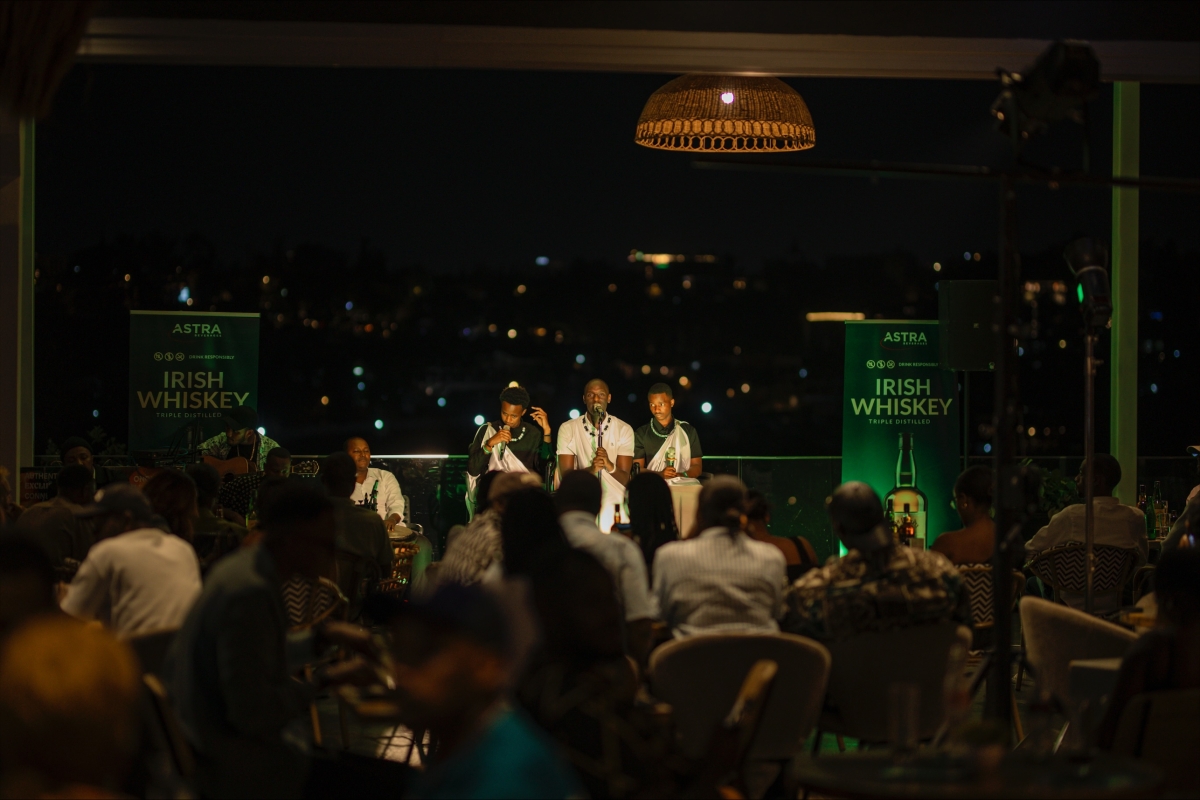
Victor Rukotana does not want Gakondo music to be something Rwandans only hear at cultural celebrations.
He wants people to be able to walk into a regular concert, hear traditional Rwandan instruments, see young Gakondo artists perform and simply enjoy the music without it feeling like a special occasion.
That is the thinking behind Dutarame u Rwanda, a monthly concert series the Rwandan musician has started to give traditional music a more permanent place in the country's entertainment scene.
The latest edition was held at Onomo Hotel in Kigali, with the concerts scheduled for the last Friday of every month. Rukotana's plans, however, go much further than putting on a show once a month.
He wants Gakondo music to become an industry.
It Started With an Album
Rukotana's current push grew out of his 2025 album Imararungu.
The 10-track project was his first full-length album and was deliberately built around Gakondo music, using traditional Rwandan sounds and themes. In an interview with The New Times, Rukotana explained how the album strengthened his belief that traditional music could connect with younger listeners while reaching audiences outside Rwanda.
That experience appears to have changed what he wanted to do next.
Instead of releasing another album and moving on, he started thinking about what would happen if Gakondo had its own regular circuit of concerts, young performers and creative collaborations.
That became Dutarame u Rwanda.
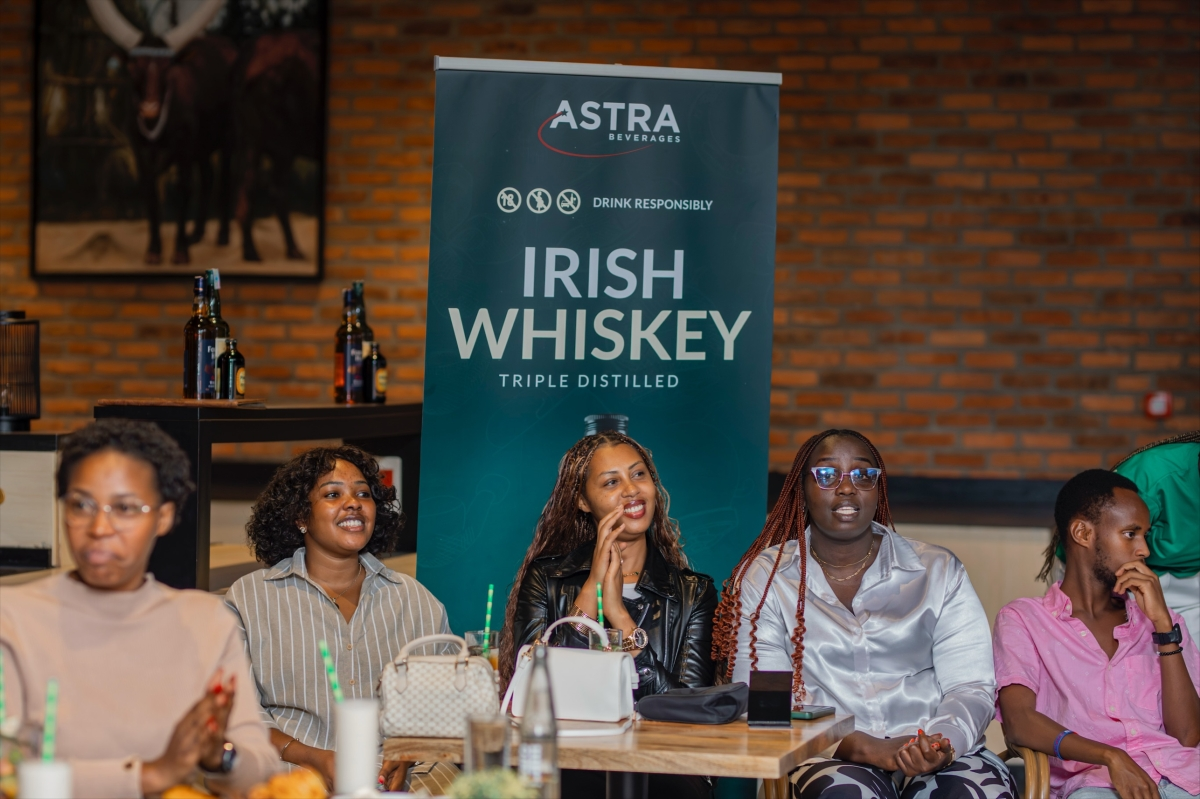
Rukotana wants the series to give younger artists a place to perform while making traditional music easier for young Rwandans and visitors to encounter.
He has previously argued that Gakondo should not be limited to cultural ceremonies or occasional events. It should have the same kind of regular entertainment spaces that other popular genres already enjoy.
He Wants Gakondo to Become More Than a Genre
There is an economic argument behind the project too.
Rukotana wants Dutarame u Rwanda to help build opportunities around Gakondo music rather than treating traditional music as something that exists mainly for cultural preservation.
That means creating places for artists to perform, developing young talent and finding ways for the music to connect with other parts of the creative economy.
His plans already extend into film and international creative work.
Darrell Kofkin, Rwanda Lead and Senior Lecturer in Entrepreneurship at the University of Westminster, has become one of the people supporting the project. His work at the university includes international creative-enterprise collaborations, including projects involving Rwanda.
He helped connect Rukotana with British filmmaker Elijah MicDonnell, who filmed the first edition of Dutarame u Rwanda for a promotional and educational project.
MicDonnell has also offered to direct Rukotana's upcoming music video for Malaika.

For Rukotana, that kind of collaboration matters because it gives Gakondo a way into spaces beyond conventional music promotion.
The Next Audience Is Outside Rwanda
Rukotana's ambitions don't stop at Kigali.
He sees Gakondo as one of the clearest ways Rwanda can introduce its culture to people who may know the country for its tourism, wildlife or investment opportunities but know little about its traditional music.
His argument is fairly straightforward: going global should not mean removing the Rwandan identity from the music.
Instead, that identity is what he believes makes it worth exporting in the first place.
Kofkin shares that view. He believes Rwanda's growing creative industries, including music, fashion, film and visual arts, can influence how the country is understood internationally.
He also sees potential for Rwandan musicians such as Rukotana to perform at world music festivals in the UK and Europe.
There is an educational side to the relationship as well.
The University of Westminster's official information on its international partnerships and creative-enterprise work shows the university's wider focus on international collaboration and entrepreneurship.
Kofkin wants Dutarame u Rwanda to become a possible platform for University of Westminster students to work directly with Rwandan artists. A similar Rwanda-focused fashion programme previously involved about 200 students working on creative projects, and he believes music could provide another route for students to learn through international collaboration.
For the Rwandan artists involved, the benefit would not only be exposure. It could also mean learning more about the business side of the creative industry and gaining access to international networks.
Rukotana Is Thinking About 2027 Already
The musician's goal is not simply to make one traditional song go viral.
He wants Gakondo to become commercially sustainable enough to create opportunities for younger artists while still serving as a way of preserving Rwandan cultural identity.
That explains why the concert series, music videos, international partnerships and possible festival appearances are all connected in his plans.
And he is already looking ahead.
Rukotana says his next album is expected in 2027, continuing the direction he began with Imararungu.
The bigger test will be whether he can turn the enthusiasm around Dutarame u Rwanda into something that lasts.
For now, though, he is trying to solve a problem that traditional musicians in many countries face: how do you keep a culture's music alive without keeping it stuck in the past?
Rukotana's answer is to put Gakondo on a regular stage, give younger musicians room to grow and take the sound beyond Rwanda without stripping away the identity that makes it Rwandan.
If that works, Gakondo may become more than something Rwanda preserves.
It could become one of the ways Rwanda introduces itself to the rest of the world.