South Sudan Faces Defining Test as 2026 Elections Near Amid Calls to End Transition
South Sudan is preparing for its first general election since independence, but concerns over security, electoral reforms and political tensions continue to cast doubt over the historic vote.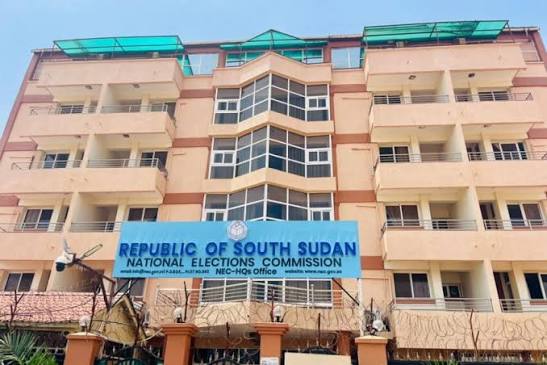
South Sudan is preparing for what could become the most consequential election in its history, with the country's first general election since independence scheduled for 22 December 2026. While concerns remain over security, electoral preparations and political tensions, many analysts argue that another postponement could prolong instability rather than resolve it.
The vote has already been postponed twice since the signing of the 2018 Revitalised Agreement on the Resolution of the Conflict in South Sudan (R-ARCSS). The agreement created a transitional unity government intended to guide the country towards democratic elections after years of civil conflict.
Despite years of transition, several key provisions of the peace agreement remain incomplete. South Sudan has yet to adopt a permanent constitution, fully unify rival armed forces into a national army or establish transitional justice mechanisms promised under the peace deal. The United Nations Mission in South Sudan (UNMISS) has repeatedly highlighted delays in implementing the peace agreement
Political uncertainty has also intensified following the detention of First Vice-President Riek Machar, a development that has raised fresh concerns about political inclusion and the credibility of the electoral process.
Election preparations face additional challenges, including delayed voter registration, legal disputes over constituency boundaries and questions surrounding the country's electoral legislation. Observers have warned that these issues must be resolved quickly if the elections are to meet basic democratic standards.
Supporters of proceeding with the vote argue that extending the transition again is unlikely to address the structural problems that have persisted since 2018. Instead, they believe an election could provide greater political certainty by creating a legitimate mandate for the country's next leadership and clarifying the future of the governing Sudan People's Liberation Movement (SPLM).
A central issue remains the question of presidential succession. President Salva Kiir has led South Sudan since independence in 2011, and political analysts argue that a clear electoral mandate could reduce uncertainty over future leadership and lower the risk of internal power struggles.
Public opinion also appears to favour moving forward. A nationwide survey by the Pan-African research network Afrobarometer found that a large majority of South Sudanese support holding elections despite concerns about possible violence, reflecting a strong public desire to conclude the prolonged transitional period.
International partners have suggested practical measures to improve the credibility of the vote rather than postponing it indefinitely. Proposals include a short technical extension to allow electoral preparations to be completed or separating presidential and parliamentary elections to ease logistical pressures.
Whether South Sudan ultimately votes in December or after a brief technical delay, the coming months are expected to shape the country's democratic future. For Africa's youngest nation, the challenge is no longer simply organising an election, but ensuring it marks a genuine step towards lasting peace, accountable governance and constitutional rule.