New Tax Plan Threatens To Soar Costs Of Phones & 'Mitumba' In Kenya
The proposed Finance Bill 2026 introduces new tax measures on mitumba imports and mobile phones, sparking significant debate. These proposals, including a presumptive income tax on second-hand clothes and a 25% excise duty on mobile phones, aim to boost revenue but raise concerns over affordability, digital inclusion, and the economic impact on traders and low-income households.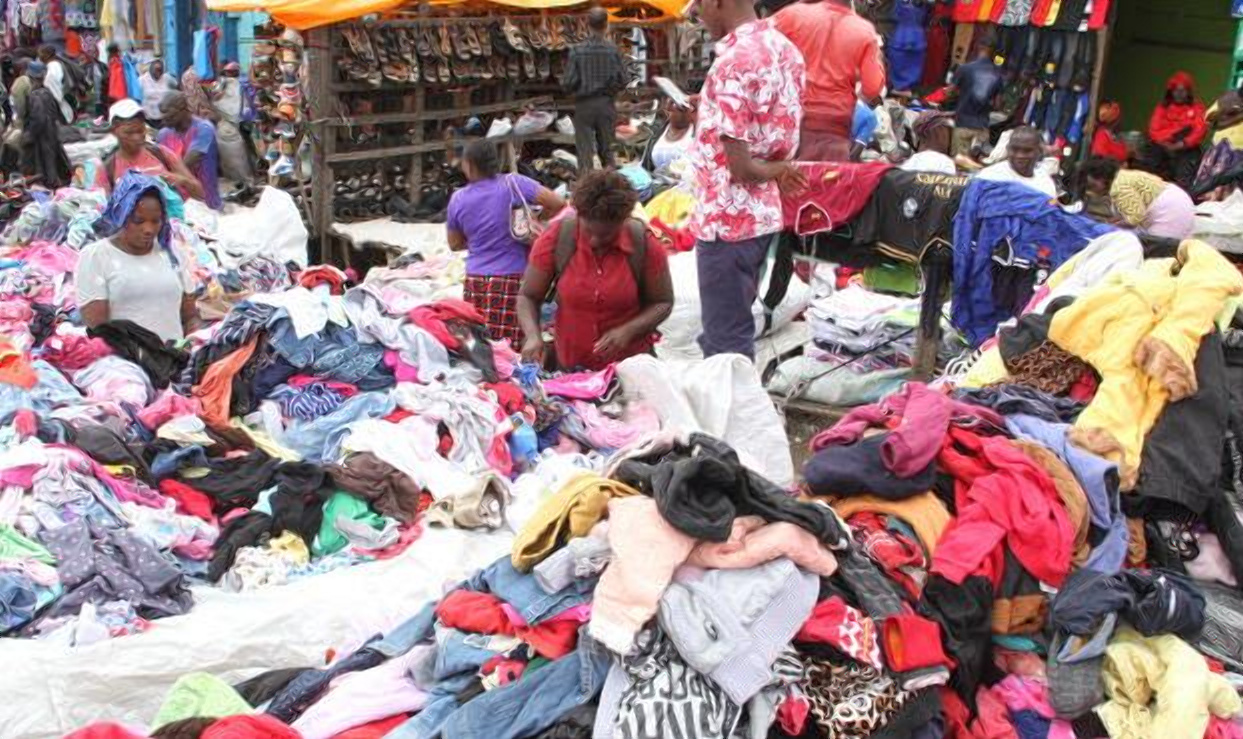
The proposed Finance Bill 2026 has introduced significant tax measures aimed at two key sectors: the mitumba (second-hand clothes) trade and the mobile phone market.
These proposals have ignited a widespread debate concerning their potential impact on product prices, the livelihoods of traders, and the crucial aspect of digital access within the population.
These new measures are part of a larger governmental strategy designed to streamline tax collection processes and mitigate revenue leakages, particularly in sectors where the enforcement of tax laws has historically presented challenges.
Regarding imported second-hand clothes, the Finance Bill proposes that they will continue to incura 16% Value Added Tax (VAT) at the point of entry.
In addition to this, the government plans to implement a presumptive income tax model. This model assumes a 5% profit margin for traders, and this presumed profit will then be subject to a 30% one-off income tax.
This new structure effectively consolidates the tax obligations, requiring them to be settled upfront.
Critics of this proposal argue that it could lead toa substantial increase in the cost of second-hand clothes, disproportionately affecting low-income households that heavily depend on mitumba markets for affordable apparel.
Concerns also extend to a potential reduction in consumer demand, increased pressure on traders’ cash flow, and the possibility of job losses within the vibrant second-hand clothing sector.
Furthermore, there are worries that a flat presumptive model might not accurately reflect the varied actual profits made by individual traders, potentially leading to unfair taxation.
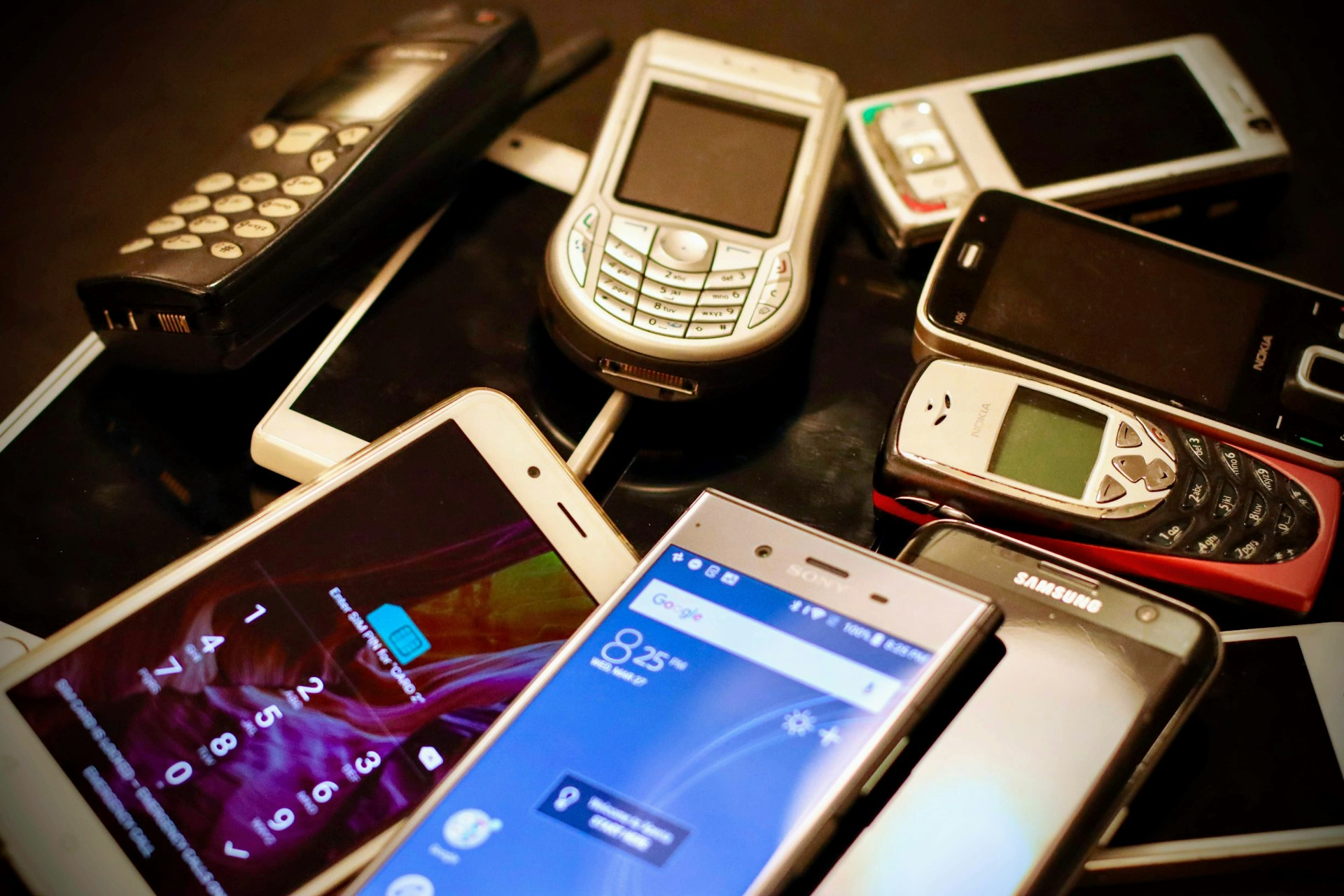
In parallel, the Finance Bill also puts forth a proposal for a 25% excise duty on mobile phones. This move is anticipated to significantly influence smartphone prices in a market that relies heavily on mobile connectivity for daily life and commerce.
The primary concerns raised include the risk of making smartphones less affordable for low-income users and younger demographics, which could potentially impede digital inclusion efforts across the country.
Additionally, such a duty is expected to place increased financial pressure on household budgets, limiting discretionary spending.
The government intends for this mobile phone tax to be enforced at the point of device activation, a mechanism designed to ensure that all devices entering active use are captured within the tax system.
Officials contend that this approach will bolster compliance and aligns with the broader shift towards a presumptive tax model, where tax obligations are fulfilled upfront rather than through multiple, iterative filings.
In essence, these legislative proposals underscore the government’s concerted effort to broaden the national tax base while simultaneously simplifying the mechanisms for tax collection.
However, by targeting the mitumba trade and mobile access, the Finance Bill has placed them at the very heart of public debate.
This situation highlights an inherent tension where the government's imperative for increased revenue collection is likely to collide directly with public concerns over affordability and economic accessibility for its citizens.