Cancer's Silent Creep Into Nigeria's Food and Air
Cancer’s quiet rise in Nigeria might be fueled by growing contamination in food and air. This piece uncovers the hidden environmental and feeding habits endangering public health.
The New Reality
In the past five years, Nigeria has witnessed a troubling surge in cancer diagnoses, with the latest data revealing that approximately 127,000 new cancer cases are recorded annually. This means that over 635,000 Nigerians have been diagnosed with cancer in just the last half-decade. The burden is further compounded by high mortality: in 2022 alone, nearly 79,000 Nigerians died from cancer-related complications.
Even more eerily, breast cancers in Nigerian women are more likely to be high-grade, hormone receptor-negative, which are more aggressive and harder to treat compared to those seen in many Western populations.
The Numbers Tell a Grim Story
The statistics are sobering. Breast cancer now accounts for up to 37% of all new cancer cases among Nigerian women and is the leading cause of cancer death. Cervical cancer follows closely, while prostate cancer is the most common among men, with incidence rising sharply after age 55. Liver and colorectal cancers are also on the rise, fueled by environmental toxins and dietary changes.
The Environmental Time Bomb
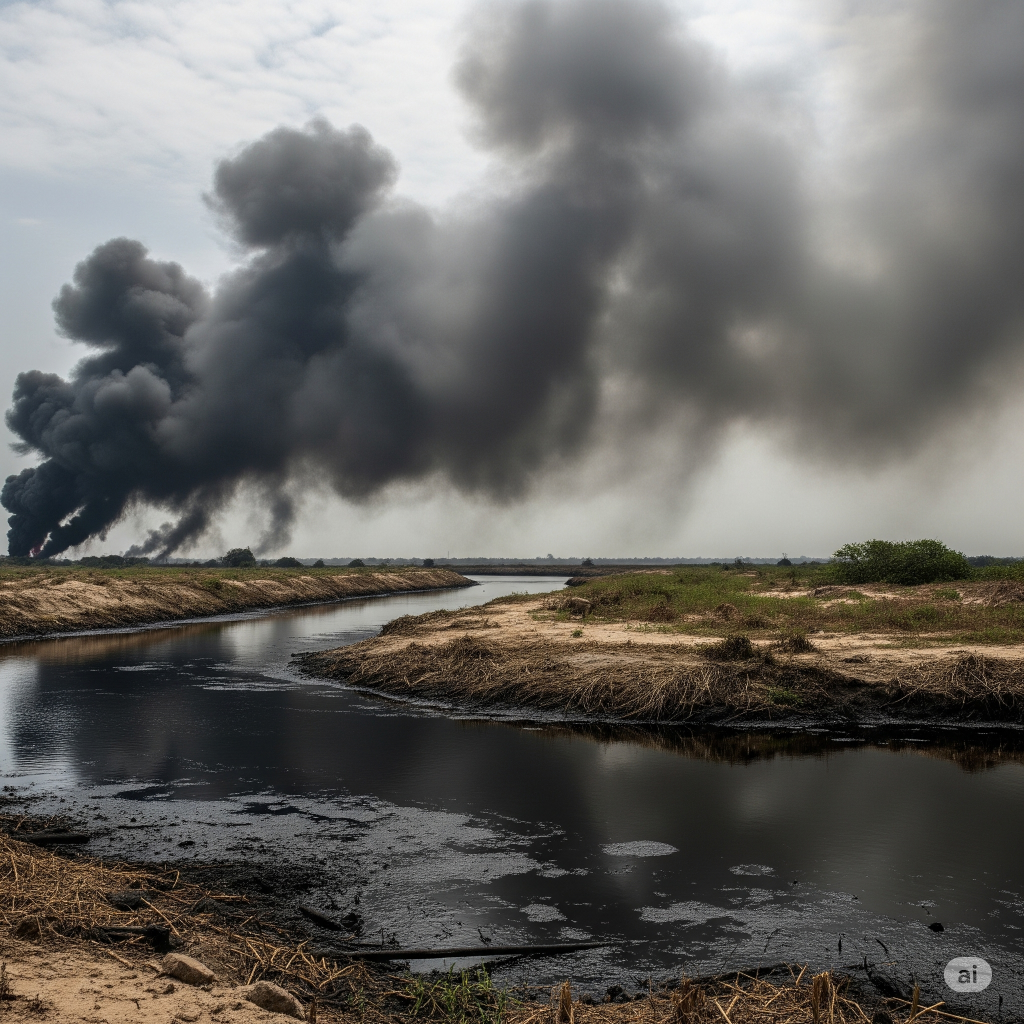
Nigeria’s rapid urbanization and industrial growth have come at a steep price. The World Bank reports that 94% of Nigerians breathe air more polluted than World Health Organization guidelines. In cities like Port Harcourt, the sky is often shrouded in soot—a byproduct of gas flaring and industrial emissions. Studies have linked these pollutants to rising rates of lung and skin cancers, especially in the Niger Delta, where oil spills and petrochemical waste are routine. Everyday products—cosmetics, plastics, and even some foods—carry carcinogens that quietly undermine public health.
Food: Protection or Danger?
For generations, Nigerian diets were a bulwark against disease. Meals built around yams, beans, leafy greens, and indigenous fruits offered natural protection, thanks to high fiber and a cocktail of phytochemicals. Scientific studies have shown that plants like African mango (Irvingia gabonensis), onions (Allium cepa), and wild yam (Dioscorea dumetorum) contain compounds that can suppress tumor growth and boost the immune system.
Yet, as cities expand and lifestyles change, so does the menu. The allure of processed meats—suya, sausages, and fried snacks—has replaced traditional fare for many urban dwellers. These foods, often cooked at high temperatures or smoked, are loaded with carcinogenic compounds. Worse still, the widespread use of newspapers for food wrapping can leach toxic substances like lead into meals.
A more insidious threat comes from aflatoxin, a poison produced by mold in poorly stored grains, groundnuts, and dried fish. “Aflatoxin contamination is a hidden killer,” warns Dr. Onwuekwe. “It’s one of the main reasons liver cancer rates are so high, especially among young men.”
We Nigerians Love Plastic and Nylons, So Does Cancer..

Cooking popular foods like moin-moin (bean pudding) in nylon bags is widespread. Experts warn that this practice produces dioxins and other toxic chemicals, which have the potential to cause cancer.
Food vendors often use nylon or cellophane bags to package hot foods, leading to significant chemical leaching. Even “microwave-safe” plastics may release harmful substances when repeatedly heated or when containers are old or damaged.
When plastics (such as nylon bags or takeaway containers) are heated, they release chemicals like bisphenol A (BPA), phthalates, dioxins, and styrene into food. These substances are not tightly bound in the plastic and migrate more readily at high temperatures, especially when the food is fatty, acidic, or oily.

Dioxins and phthalates are known to disrupt hormones (endocrine disruptors), interfere with DNA, and promote oxidative stress, all of which increase the risk of cancers.
Hope in Tradition and Science
Not all is bleak. Nigeria’s indigenous foods remain a powerful, if underutilized, weapon in the fight against cancer. Scientific research continues to uncover the anticancer properties of local plants, from guava leaves to hog plum(Iyeye). Public health campaigns are beginning to emphasize the importance of traditional diets, physical activity, and food safety.
Yet, the road ahead is long. Combating Nigeria’s cancer crisis will require more than medical intervention. It demands a holistic approach: cleaner air and water, better food storage and packaging, renewed respect for traditional diets, and a cultural shift toward healthier lifestyles.
As Nigeria stands at the crossroads of tradition and modernity, the choices made today will shape the nation’s health for generations. The answer may lie not just in new medicines, but in rediscovering the wisdom of the past—and adapting it to the challenges of the present.
Sources:
World Bank, WHO, Nigerian Medical Journal, African Journal of Biomedical Research, peer-reviewed studies on Nigerian cancer epidemiology and food safety.