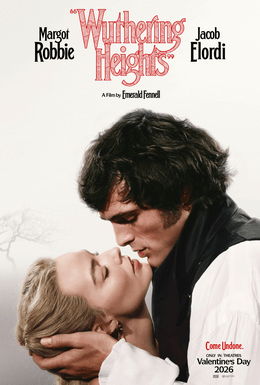
Can Modern Audiences Handle Wuthering Heights’ Toxic Love Story?
Can modern audiences handle the toxic love at the heart of Wuthering Heights? This analysis explores obsession, abuse, and Emerald Fennell’s provocative 2026 film adaptation through a contemporary lens.
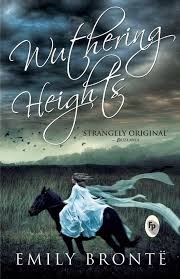
A genuine lover of literature books would have picked up Emily Bronte’s Wuthering Heightsand recognised it for what it is. A romance novel? Now, don’t let’s get ahead of ourselves. A Gothic horror story wrapped in a love box? Wild, but a correct guess.
The Yorkshire moors, the obsessive passion, the generational revenge — this is a tale of psychological destruction, not devotion. Yet for nearly two centuries, readers have been seduced by its dark intensity, mistaking toxicity for true love.
On February 13, 2026, the day before Valentine's Day, Emerald Fennell's adaptation arrives in theaters. The timing could not be more provocative.
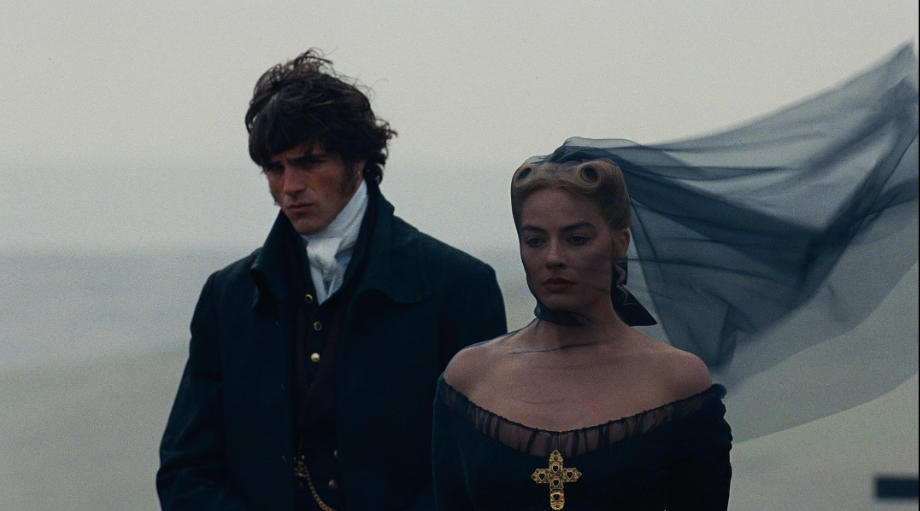
While couples plan romantic dinners and exchange heart-shaped chocolates, filmgoers will encounter one of literature's most psychologically destructive relationships brought to life by Margot Robbie and Jacob Elordi.
It is counter-programming at its finest, and it raises an urgent question: can contemporary audiences navigate a love story built on obsession, cruelty, and revenge?
A Story That Never Ages (Or Does It?)
Emily Bronte's 1847 novel has always been divisive. At its core is the tempestuous relationship between Heathcliff, a dark-skinned orphan brought to Wuthering Heights by Mr. Earnshaw, and Catherine Earnshaw, the daughter of the house.
The children form an intense bond that deepens into passionate love as they grow. But when Catherine's brother, Hindley inherits the estate and degrades Heathcliff to servant status, Catherine chooses to marry the refined Edgar Linton instead, believing she cannot marry Heathcliff due to his low social standing even as she famously declares "I am Heathcliff."
Devastated, Heathcliff disappears for three years, returning wealthy and determined to exact revenge on everyone who wronged him. He systematically destroys both families. He marries Edgar's sister, Isabella just to torture her, reclaimes Wuthering Heights from the alcoholic Hindley, and ensuring the next generation suffers for their parents' sins.
Catherine dies giving birth to her daughter, but even death does not end Heathcliff's obsession. He spends the rest of his life haunted by her ghost, abusing Isabella and their son, and plotting to unite the Earnshaw and Linton estates under his control by forcing Catherine's daughter to marry his sickly son.
The cycle of vengeance only ends with Heathcliff's death, leaving the younger generation to break free from their parents' destructive legacy.
This tale of childhood companions whose passion morphs into a multigenerational cycle of abuse and vengeance shocked Victorian readers with its raw emotion and moral ambiguity.
Nearly two centuries later, the story remains unsettling, but for different reasons. We live in an era of heightened awareness about emotional abuse, manipulation, and trauma. We have learned to recognize red flags. We talk openly about toxic relationships. So what happens when one of literature's most iconic romances checks every box on that list?
The Toxicity Problem
The central relationship in Wuthering Heights is undeniably dysfunctional. Catherine declares she is Heathcliff, suggesting a loss of self.
Heathcliff's response to romantic rejection is not moving on. Instead, it is the systematic destruction of everyone connected to Catherine, including her daughter.
The violence is psychological warfare, continuing for decades. If this story were posted on a relationship advice forum today, the comments would unanimously scream "run."
Yet Fennell, whose previous filmsPromising Young Woman and Saltburn excavated the darkness beneath glossy surfaces, seems perfectly positioned to handle this material.
Her work suggests she understands something crucial: depicting toxicity is not the same as endorsing it. The question is whether audiences can make that distinction, particularly when the characters are portrayed by two of Hollywood's most magnetic stars.
Why There Is Concern

However, there is a legitimate concern here. We have seen how fiction shapes perception. The romanticization of possessive behaviour in stories from Twilight to Fifty Shades of Grey has sparked important conversations about what messages we absorb from entertainment.
Social media has amplified these concerns, with viewers dissecting characters' behaviour in real-time and debating whether certain narratives do more harm than good. When a handsome actor plays a tortured antihero, the line between critique and glorification can blur dangerously.
Why Audiences Can Handle It
But this perspective may underestimate modern audiences. Today's viewers have proven remarkably sophisticated at engaging with morally complex narratives.
Shows like You have succeeded precisely because they don't ask us to root for a stalker, they interrogate why we might be tempted to. Euphoria tackles addiction and abuse without offering easy answers. Audiences increasingly understand that watching something does not mean approving of it.
The gothic romance genre has always served as a space to explore what polite society could not discuss openly. Brontë was examining the human capacity for self-destruction when passion overrides reason and at that time, exploring such genre was brave of her.
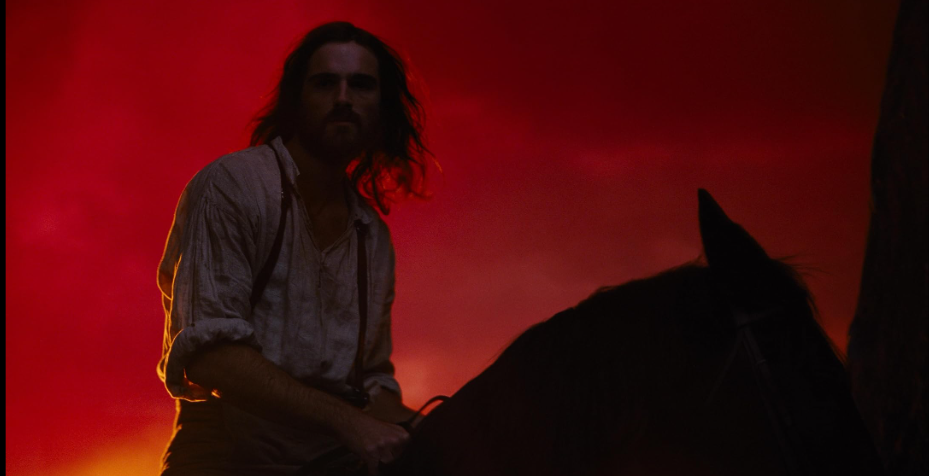
The moors of Yorkshire become a psychological landscape where characters enact their most primal impulses. The novel works because it is deeply uncomfortable, forcing readers to confront the thin line between love and obsession.
What makes Fennell's adaptation particularly intriguing is the context of its creation. The project generated a fierce bidding war, with the filmmakers ultimately choosing theatrical release over a higher-paying streaming offer.
This suggests confidence that audiences want to engage with challenging material in communal spaces, not just scroll past it at home. It is a gamble that respects viewers' ability to grapple with darkness.
What Is Really At Stake
The real test is not whether audiences can "handle" Wuthering Heights; it is whether the adaptation trusts them to think critically.
A successful version won't water down the toxicity, but rather, it will present the toxicity clearly and let viewers wrestle with their reactions.
Why are we drawn to this story despite recognizing its dysfunction? What does our fascination with doomed love reveal about us? These are uncomfortable questions, but they are worth asking.
Cinema has always been where we explore scenarios too dangerous or painful to experience firsthand. We don't watch horror movies because we want to be murdered; we watch them to safely confront fear.
Similarly, we don't need romantic stories to always model perfect relationships. Sometimes we need mirrors held up to our worst impulses, our capacity for self-deception, our tendency to confuse intensity with intimacy.
As Valentine's Day and Fennell's Wuthering Heights approaches, perhaps the question is not whether audiences can handle this story. Perhaps it is whether we are brave enough to sit with the discomfort it provokes.
Bronte created characters who love destructively because she understood that passion without wisdom can devastate. Modern audiences, armed relationship literacy, might be uniquely positioned to appreciate the novel's elements while still feeling the pull of its dark romance.
The Gothic endures because it tells truths we rather not acknowledge. If Fennell's adaptation succeeds, it would not be because it makes Heathcliff and Catherine more palatable. It will be because it trusts us to witness their destruction without mistaking it for aspiration.