Burkina Faso Attack Fallout: Parliament Explodes in Blame Game as Nation Reels From Terrorist Strike
A terrorist attack in Burkina Faso, claiming the lives of eight Ghanaian tomato traders, has sparked intense debate in Ghana's Parliament, leading to demands for a parliamentary inquiry, compensation for victims, and a political dispute over domestic agricultural policies. Concurrently, government officials have begun providing support to affected families, highlighting the profound impact on communities and calls for enhanced security for traders.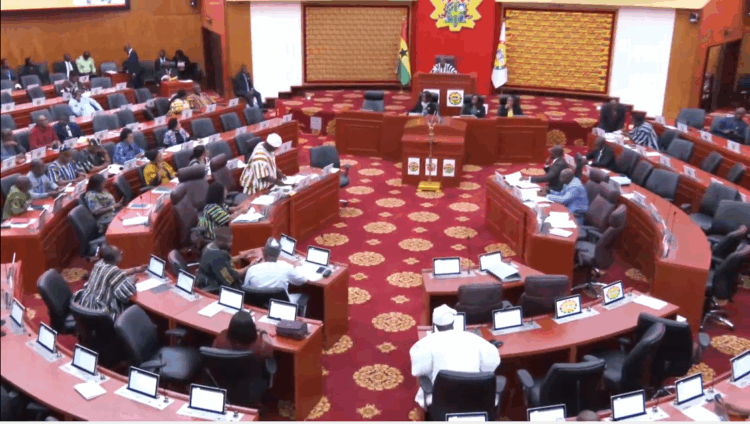
A tragic terrorist attack in Burkina Faso, which claimed the lives of eight Ghanaian tomato traders, has ignited a fierce debate in the Ghanaian Parliament, exposing deep divisions and leading to calls for accountability and support for victims' families. The incident also brought to the forefront discussions on national security, domestic agricultural policy, and economic development.
The Minority side in Parliament promptly demanded urgent action, initiating a parliamentary inquiry into the circumstances surrounding the killings. They specifically sought to ascertain whether Ghanaian authorities had received prior intelligence warnings and, if so, what measures were taken to protect traders operating in high-risk areas. Nana Asafo Adjei-Ayeh, Deputy Ranking Member on the Foreign Affairs Committee, underscored these demands, also calling for full compensation and state support for the families of the deceased and the injured.
Samuel Abu Jinapor, Ranking Member on the Foreign Affairs Committee, further emphasized the vulnerability of Ghanaian civilians. He argued that following the inauguration of President Mahama, at which Burkina Faso's General Ibrahim Traore was a special guest, security experts had indicated that Ghanaians could become targets. Jinapor stressed that the victims were non-combatants, playing no role in the conflict within Burkina Faso, thus highlighting their unjust exposure to danger.
The parliamentary debate quickly took a political turn when Samuel Atta Mills, an NDC MP, shifted focus to domestic issues, specifically accusing a previous government of failing northern farming communities. He cited the stalled Pwalugu irrigation project, alleging that $12 million had been spent with nothing to show for it. Mills contended that if the dam had been completed, it would have enabled tomato cultivation in the north, negating the need for traders to travel to Burkina Faso.
These comments drew strong opposition from the Minority, with Leader Alexander Afenyo-Markin rejecting allegations of financial abuse related to the Pwalugu project. He challenged the government to produce evidence of such abuse and countered by questioning the government's economic promises, including the