Border Fury: Thai-Cambodian Tensions Mount Amid Assassination Plot Denials and Legal Threats
The Thai-Cambodian border remains a hotspot of diplomatic tensions, characterized by rejected assassination claims, disputes over landmine use, and allegations of territorial encroachment. International observers are set to assess ceasefire violations and humanitarian impacts, while legal actions against Cambodian leaders are being considered amid a surge in related fake news.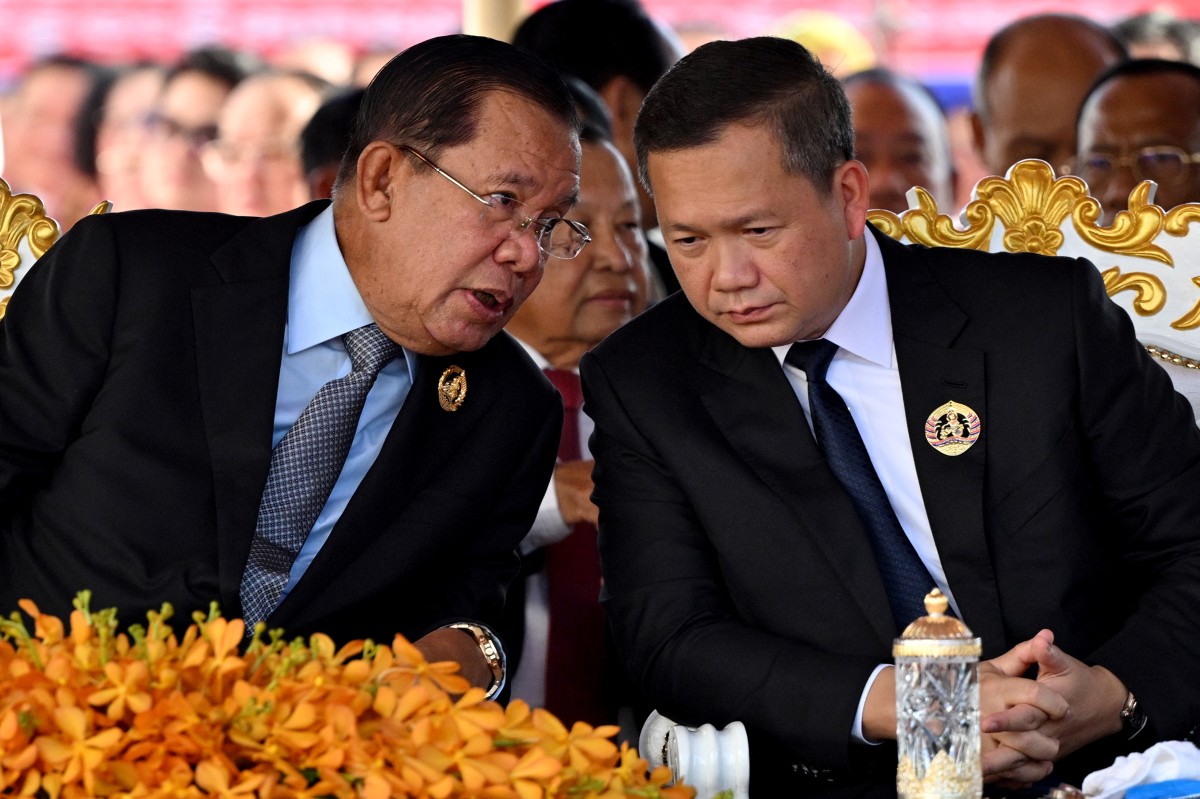
The Thai-Cambodian border continues to be a focal point of diplomatic tension, marked by accusations, disputes over territory, and humanitarian concerns, despite ongoing efforts towards peaceful resolution. Thailand's Ministry of Foreign Affairs vehemently rejected recent claims circulating on social media, which alleged that Thailand planned to assassinate Cambodian leaders Hun Sen and Hun Manet. These accusations, cited by Cambodia’s Minister of Information from foreign intelligence sources, were firmly denied by Nikorndej Balankura, Director-General of the Department of Information, who called them entirely unfounded and intended to defame Thailand. The Ministry condemned this disinformation as a harmful attempt to derail diplomatic efforts, emphasizing that spreading false news while both sides are engaged in General Border Committee (GBC) discussions undermines the spirit of dialogue.
A significant aspect of the conflict involves the alleged use of landmines and its humanitarian impact, prompting international attention. The Royal Thai Army (RTA) is set to lead the ASEAN Interim Observation Team (IOT) to visit the Thai-Cambodian border to monitor alleged breaches of international law and ceasefire conditions by Cambodian troops. This mission follows two earlier visits facilitated by the Thai government for international entities. ASEAN envoys and representatives from countries that ratified the Ottawa Convention, which bans anti-personnel mines, visited Si Sa Ket province. There, they witnessed evidence of anti-personnel mines allegedly laid by Cambodian troops and spoke directly with affected residents. Additionally, the International Committee of the Red Cross (ICRC) representatives assessed the humanitarian impact of cross-border attacks on civilians in Surin, Si Sa Ket, and Ubon Ratchathani provinces, interviewing local residents. The ICRC will compile a confidential report on its findings to be submitted directly to both Thailand and Cambodia, while Thailand has demonstrated its commitment to working with the ICRC to strengthen humanitarian protection mechanisms and plans to send video and photo evidence of Cambodia laying landmines to Geneva.
The volatile situation has been exacerbated by a proliferation of disinformation. The Ministry of Digital Economy and Society (DES) announced that eight out of the top ten fake news items last week were false reports related to the Thai-Cambodian border conflict. Wethang Puangsup, spokesman for the DES Ministry, highlighted that the top three fake news items, along with five others lower in the rankings, all concerned the border situation.
Furthermore, legal repercussions against Cambodian leaders are being considered within Thailand. Acting Prime Minister Phumtham Wechayachai stated that academics may submit a proposal for the government to consider suing Cambodian Prime Minister Hun Manet and his father, Hun Sen, in the International Criminal Court (ICC) as war criminals. This comes after the National Security Council’s (NSC) resolution to file both criminal and civil lawsuits against Hun Manet and Hun Sen in Thai courts for causing deaths and injuries to Thais, as well as damaging assets, by allegedly ordering Cambodian troops to fire at Thai civilians.
A specific and long-standing point of contention is the Ban Nong Chan village in Sa Kaeo province, which the Thai government insists is on Thai soil. Government spokesman Jirayu Houngsub stated that Cambodians had betrayed Thai hospitality and humanitarian aid. Ban Nong Chan was initially used as a temporary shelter for Cambodians fleeing civil war in 1977. Thailand asserts that Cambodia later took advantage of this humanitarian gesture to encroach on Thai land, with refugees refusing to return home and instead expanding their community. Jirayu accused the Cambodian government of using its citizens as a "human wall" to attempt to encroach on Thai soil and provoke border tensions. In response to allegations by an American lobbyist hired by the Cambodian government, who claimed Thai troops blocked hundreds of Cambodians with razor wire, Jirayu clarified that Thailand had erected the razor wire entirely within its own boundaries to protect its territory from further encroachment and from attacks by Cambodian troops who had laid landmines. Thailand maintained that this action did not violate the August 7 General Border Committee meeting's resolution, which stipulated that neither side would construct any structures outside their territories. Despite the 13-point ceasefire agreement signed at that GBC meeting, provocations and various forms of intimidation, including Cambodia's pressure on Thailand to dismantle the barbed wire fences, continue to affect the region. Descendants of the original Cambodian refugees have expanded their settlements, building nearly 200 new homes and claiming the area as Cambodian sovereign land, while the Cambodian government continues to reject Thailand’s border demarcation claims.