Before Lagos Had Modern Buses and Trains, It Had a Steam Tram. Where Did It Go?
We used to have a tram in Lagos. For 11 years, it carried passengers and goods through the city and later transported human waste to the Dejection Jetty.
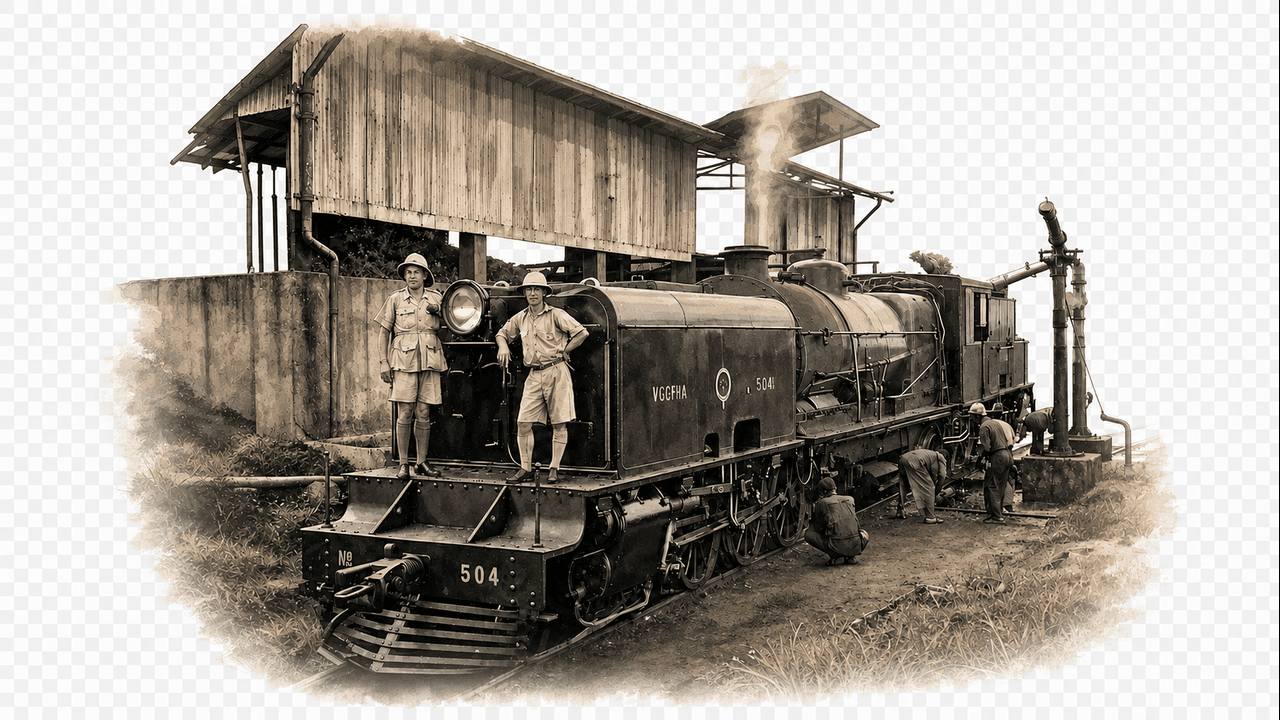
Before Lagos became a city of yellow buses, danfos, ferries and modern trains, there was a time when a small steam locomotive could be heard pulling its carriages through the streets of Lagos Island.
The Lagos Steam Tramway opened in 1902, linking the waterfront and commercial streets of the island with the railway terminus at Iddo. It carried passengers, produce and merchandise, and for more than a decade formed part of everyday movement around the city.
The passenger service ended in 1913 and a separate sanitary operation using the tramway continued in sections until 1933.
Why Lagos needed a tram
The problem was created partly by the way the railway had been built.
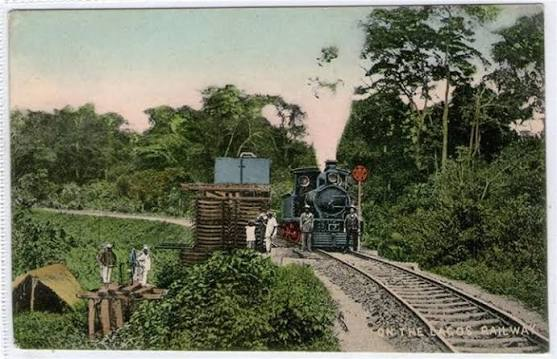
The Lagos Government Railway reached Iddo, across the water from much of the commercial activity on Lagos Island. By 1899, the administration was considering a steam tramway that could connect the railway terminus with the island's waterfront and streets.
Construction began in 1901, and the tramway was formally opened on 23 May 1902.
Its main passenger line began at Kokomaiko, on the Marina opposite the Botanical Gardens. From there it ran along the waterfront, turned into Balogun Street, continued through Ereko and Ashogbon streets, crossed Carter Bridge and reached Iddo.
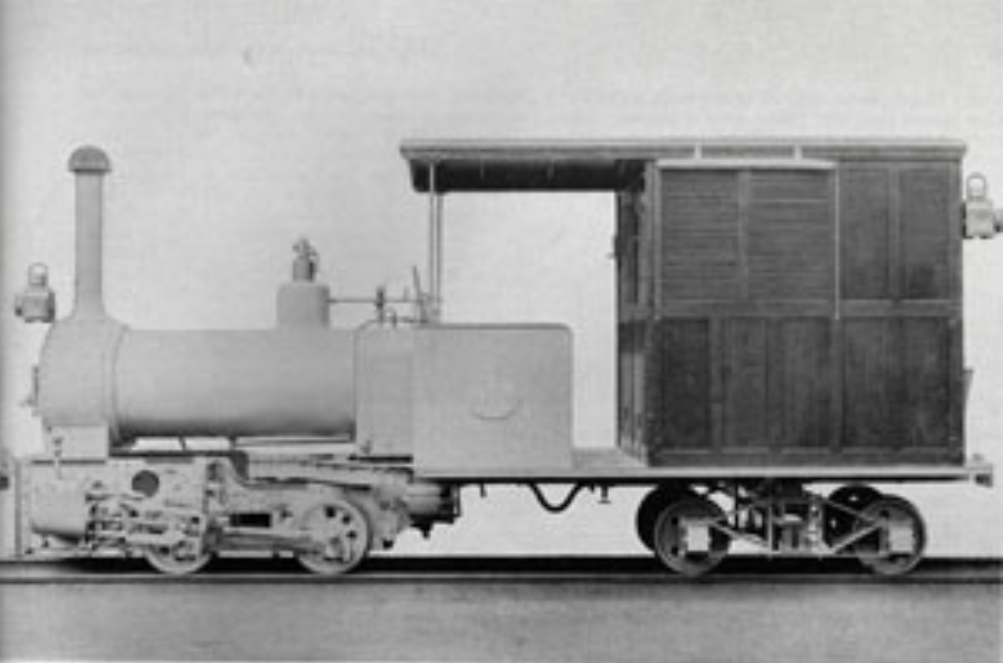
The line was about 2.7 miles long, with a narrow gauge of 2 ft 6 in. The tram usually operated with two or three passenger cars behind a locomotive. Goods wagons could also be attached, while separate goods services were run when there was enough freight to justify them.
Services ran from 7 a.m. to 7 p.m., initially at 45-minute intervals and later every 30 minutes. Fares ranged from one penny to three pence depending on the distance.
What a ride was like
For people in Lagos at the time, the tram was not simply an engineering project. It was a way of getting around.
Archdeacon G. Burton, who arrived in Lagos in 1907, later recalled taking the tram to Iddo, describing it as a great convenience in the days before motor transport, even though it moved slowly. He also remembered Zaccheus Archibald Williams, owner of Manchester House and later grandfather of Chief Rotimi Williams, as a familiar tram passenger who apparently sometimes rode back and forth simply for the pleasure of it.
The system was not always able to do what it had been built to do. Carter Bridge, which carried the line to Iddo, was repeatedly closed for repairs, and a 1902 colonial report noted that this temporarily prevented the tram from reaching the railway terminus and confined much of its operation to Lagos Island.
The tram also followed Lagos's old divisions
History
Rewind the Stories that Made Africa, Africa
A Journey Through Time, Narrated with Insight.
The tramway also became part of the city's changing physical order.
Historian Liora Bigon has argued that it helped reinforce divisions that already existed in Lagos before the tram was built.
Isale Eko, the largest and most crowded indigenous quarter, stood apart from the European zone around the Marina. There were also established Saro and Afro-Brazilian quarters, each with their own communities and built environments.
Bigon's research shows that the tramway's layout and operation helped strengthen these existing distinctions. The colonial administration's preferred commercial, administrative and residential areas were increasingly associated with the expatriate side of the city, while indigenous quarters remained spatially distinct.
The tram did not create those divisions. Its tracks and operation helped consolidate them as colonial Lagos was being reorganised.
Fortier saw the tram too

One of the rare visual records of this period came from Edmond Fortier, the French photographer who photographed Lagos in 1908.
Fortier produced a series of 22 photographs of the city. Some were taken from the tram or show the tramway in the background, giving historians an unusual glimpse of the railway as part of the streetscape.
The images preserve something the official railway reports cannot: the tram as part of the physical city, moving through streets that were already crowded with people, shops and buildings.
Why the passenger tram disappeared
The tramway struggled financially.
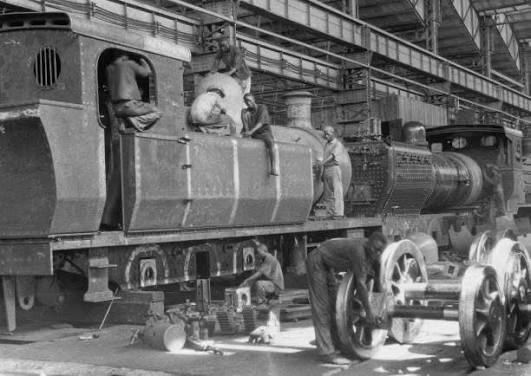
Repeated closures of Carter Bridge made it difficult to maintain the connection with Iddo, while operating costs remained high. By 1913, the administration decided that replacing the ageing rolling stock would require too much money.
The Iddo–Kokomaiko passenger and goods service therefore closed at the end of 1913.
The disappearance of the tram created a transport gap between the mainland and Lagos Island. Motor transport was beginning to appear, and in 1914, Mrs Charlotte Olajumoke Obasa started the Anfani Bus Service, running four buses between Obun Eko and Iddo — the first urban bus service in Nigeria.
The service charged one penny for the journey.
The tram had one more job
Passenger service was over, but the tramway did not disappear completely.
History
Rewind the Stories that Made Africa, Africa
A Journey Through Time, Narrated with Insight.
From 1906, a separate sanitary tramway had been used to transport night soil — human waste collected from parts of Lagos to a disposal point known as Dejection Jetty.
The sanitary operation survived the passenger tramway by many years. Sections continued operating as the city gradually adopted other methods of sewage disposal, and the remaining sanitary line finally closed on 30 June 1933.
By then, the steam tram had become an old piece of Lagos infrastructure.
Its passenger service had lasted only about eleven years. What remains of it now is found in the photographs, maps and recollections of a Lagos that was already being reshaped by railways, bridges, commerce and eventually motor transport.