Atiku Challenges Tinubu Government to Prosecute Him Over Alleged $16bn Power Spending
Atiku Abubakar challenges the Tinubu administration to investigate and prosecute him over alleged $16 billion power-sector spending, demanding evidence and accountability.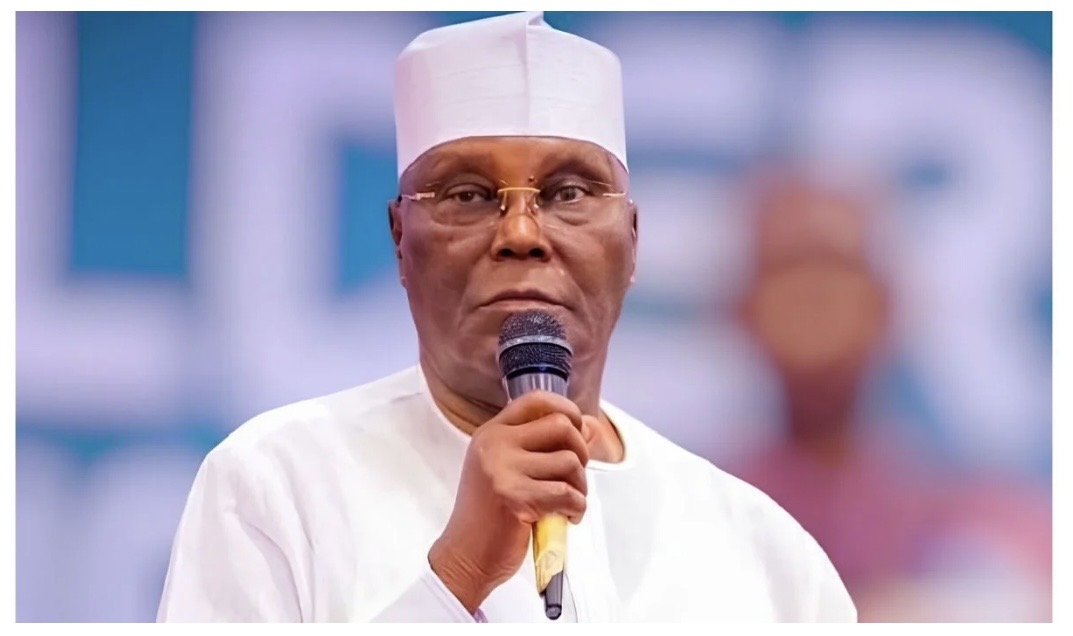
Former Vice President, Atiku Abubakar, has issued a direct challenge to the federal government, urging them to investigate and prosecute him if any evidence links him to the alleged $16 billion power-sector expenditure during his tenure.
Atiku, a major opposition presidential candidate, contends that the President Bola Tinubu-led administration is reintroducing these old allegations as a tactic to divert public attention from critical questions surrounding the utilization of revenues generated since the removal of the petrol subsidy.
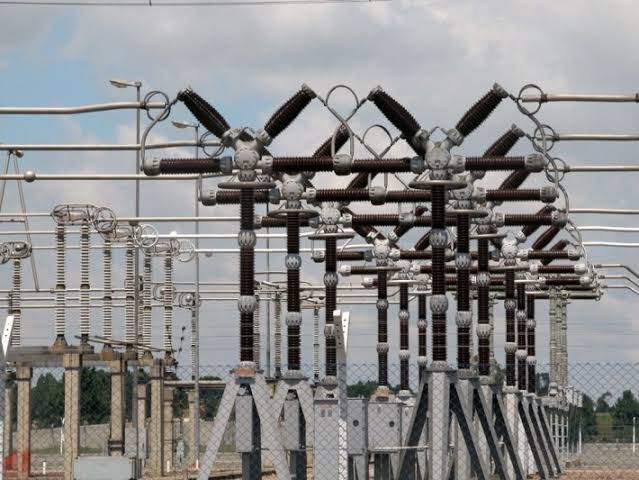
In a statement released on Wednesday by his Senior Special Assistant on Public Communication, Phrank Shaibu, Atiku articulated that the renewed focus on power-sector projects, privatization, and public assets is a deliberate attempt to shift focus away from the severe economic hardship currently afflicting Nigerian citizens.
He pressed the federal government to provide a clear account of the resources it has accumulated since the petrol subsidy was removed, pointedly asking, “Where is the people’s money?”
Atiku highlighted that similar allegations against him have surfaced repeatedly over the years, yet they have consistently failed to result in any prosecution. This, he noted, is despite successive governments having full access to the state's investigative machinery.
He recounted that the National Assembly had previously investigated the power projects, but he was never invited to address any wrongdoing.
While acknowledging his role as chairman of the National Council on Privatisation during his vice presidency, Atiku clarified that he disagreed with the concept of the power project and did not oversee its implementation, stating that the responsible minister handled it. The same, he added, applied to the Aluminium Smelter matter.
“I have repeatedly asked to be investigated. I left office in 2007 and have spent much of the period since then opposing governments in power. If there is evidence that I stole public money, why has no government produced it before a court? It is still not too late. Investigate me. Invite me. Produce the evidence. Prosecute me if you have a case. But propaganda cannot substitute for evidence,” the statement emphasized.
This challenge from the former vice president emerges amidst an escalating political confrontation between the opposition and the Federal Government, largely centered on the nation’s economic condition and the ramifications of the administration’s reforms.
Atiku has consistently made the economic consequences of the petrol subsidy removal a core element of his critique against the Tinubu administration.
He argues that Nigerians have been forced to endure significant increases in the cost of petrol, transportation, food, and other essential goods, without experiencing proportionate benefits from the government's increased revenues.
According to Atiku, the resurgence of controversy surrounding the power projects is politically motivated, intended to counter his persistent demand for greater transparency regarding the proceeds from the subsidy removal, which he believes has become uncomfortable for the administration.
He lamented the broken promise that the sacrifice of subsidy removal would free up resources for development, stating, “Today, petrol is more expensive, transportation is more expensive, food is more expensive and the purchasing power of the Nigerian worker has been devastated.”
Furthermore, Atiku questioned the government's fiscal priorities, alleging that while ordinary Nigerians bear the brunt of economic reforms, powerful economic interests continue to benefit from various fiscal incentives, waivers, and concessions.
He reiterated, “Meanwhile, government revenues have increased, while fiscal incentives, waivers, tax credits and concessions continue to be available to powerful economic interests. So our question remains brutally simple: where is the people’s money?”
President Tinubu announced the immediate removal of the petrol subsidy shortly after his inauguration in May 2023, effectively ending a long-standing system where the Federal Government subsidized the cost of petrol.
The administration defended this policy as essential to alleviate pressure on public finances and reallocate resources toward critical infrastructure and social programs. However, this decision led to a drastic surge in petrol prices, contributing significantly to higher transportation and living costs, making subsidy removal one of the most contentious economic policies of the Tinubu administration.
While the government has since implemented measures to mitigate the impact of these reforms, it maintains that the previous subsidy regime was financially unsustainable.
Atiku, meanwhile, continues to advocate for alternative economic measures, consistently placing accountability, cost-of-living pressures, and the transparent management of public resources at the forefront of his criticisms against the current administration.