Are Energy Drinks Doing More Harm Than Good?
Energy drinks promise instant energy and better performance, but behind the quick boost lies a growing concern about their hidden health risks. Are they really helping us stay productive—or slowly harming our health in the long run?

Energy drinks have become increasingly popular among students, workers, athletes, and young adults who need a quick boost of energy and concentration.
They are commonly consumed during long study sessions, busy workdays, and physical activities because they promise increased alertness and improved performance.
However, despite their popularity, concerns have grown about their health effects, and many energy drinks contain high amounts of caffeine, sugar, and other stimulants that may cause problems such as poor sleep, anxiety, increased heart rate, and dependence when consumed excessively.
As more people rely on these beverages, an important question remains: do energy drinks provide more benefits than risks, or are they doing more harm than good?
The Short-Term Benefits of Energy Drinks
One of the main reasons energy drinks are so popular is their ability to provide a quick boost of energy and alertness.
Most energy drinks contain caffeine, sugar, and other stimulants that help reduce feelings of tiredness and increase mental focus.
After consuming an energy drink, many people feel more awake, energized, and ready to handle demanding tasks.
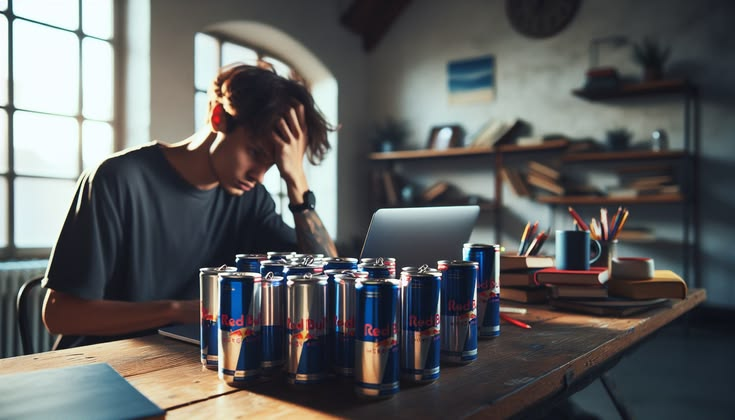
Students often use energy drinks during exams or late-night study sessions to stay awake and improve concentration.
Similarly, workers may consume them during long shifts or busy workdays to maintain productivity and combat fatigue.
Athletes and fitness enthusiasts also use energy drinks before exercise, believing they can improve endurance, reaction time, and overall performance.
Another benefit is the temporary improvement in mental alertness, and the caffeine in energy drinks can help people feel more focused and attentive, especially when they are feeling tired.
This can be useful for completing tasks that require concentration and quick decision-making.
These short-term effects make energy drinks appealing to many consumers. However, while they may provide temporary benefits, the boost in energy is often short-lived and may be followed by fatigue once the effects wear off.
The Health Risks Associated with Excessive Consumption
Although energy drinks can provide a temporary boost in energy and alertness, consuming them excessively can have negative effects on health.
Most energy drinks contain high amounts of caffeine, sugar, and stimulants, which can place extra stress on the body when consumed regularly or in large quantities.
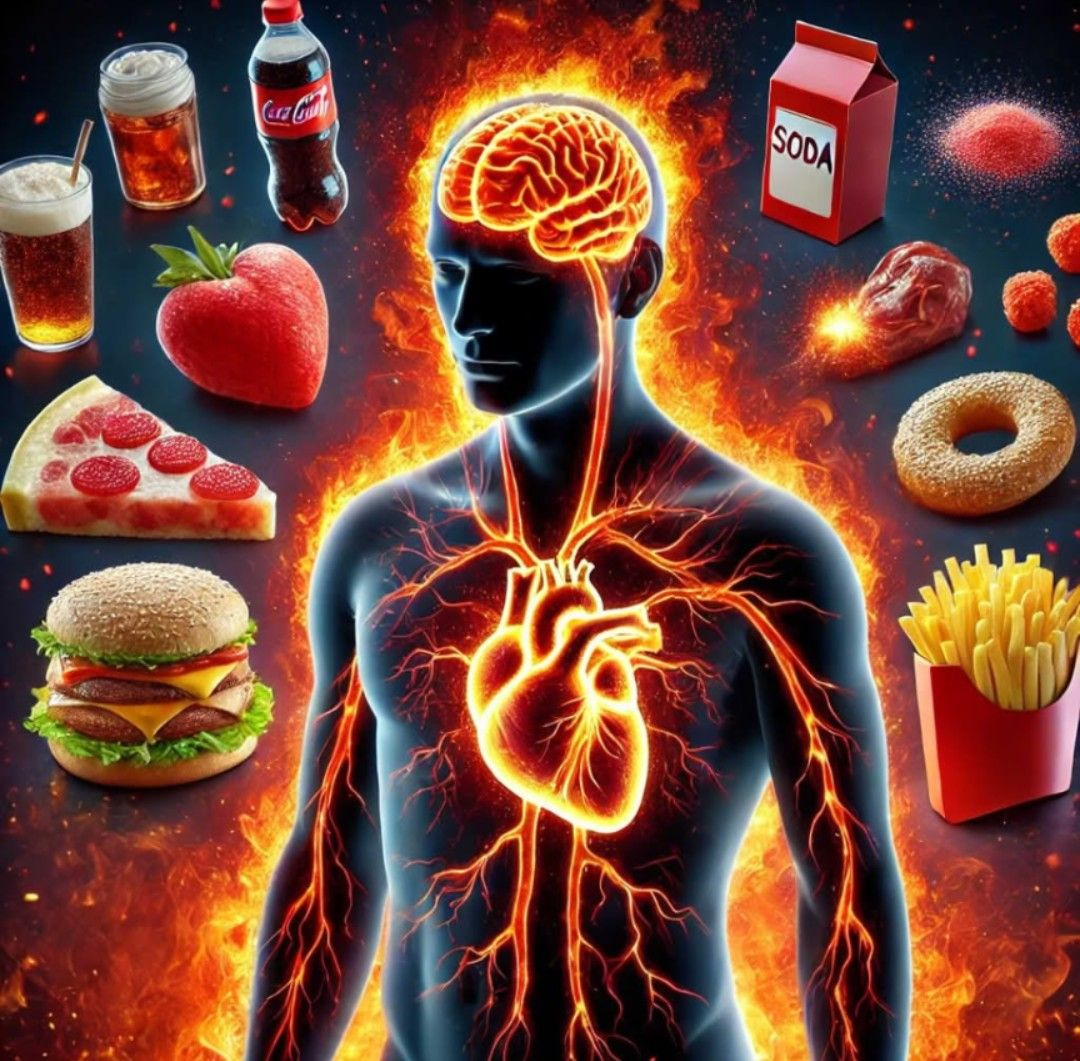
One of the most common effects is an increased heart rate and elevated blood pressure. The high caffeine content can overstimulate the nervous system, causing symptoms such as nervousness, anxiety, restlessness, and heart palpitations.
For individuals with existing heart conditions, these effects may be more serious.

Excessive consumption can also interfere with sleep patterns, and many people drink energy drinks to stay awake, but frequent use can lead to difficulty falling asleep or poor-quality sleep.
Over time, lack of proper rest can affect concentration, mood, productivity, and overall health.
Another concern is the high sugar content found in many energy drinks, and regular consumption can contribute to weight gain, tooth decay, and an increased risk of health conditions such as obesity and type 2 diabetes.
Even sugar-free versions may encourage dependence on caffeine and stimulants.
In addition, consuming too many energy drinks may lead to headaches, dehydration, and caffeine dependence.
Some people become reliant on these beverages to function throughout the day, creating a cycle of fatigue and repeated consumption.
While occasional consumption may not be harmful for most healthy adults, excessive intake can increase the risk of serious health problems.
For this reason, health experts often recommend moderation and encourage healthier alternatives such as adequate sleep, proper nutrition, hydration, and regular exercise.
The Growing Impact on Young People
Young adults and teenagers are among the biggest consumers of energy drinks, and many rely on them to stay awake while studying, playing sports, working, or spending long hours on electronic devices.
Their popularity among young people is largely driven by advertising that promotes energy drinks as products that improve performance, confidence, and productivity.
However, regular consumption can have negative effects on both physical and mental health. One major concern is poor sleep.
Many young people consume energy drinks late in the day, making it harder to fall asleep and get enough rest.
Over time, lack of sleep can affect academic performance, concentration, memory, and mood.
Frequent consumption of energy drinks can lead to caffeine dependence, making it harder for young people to stay alert without them.
This may increase the risk of side effects such as anxiety, headaches, and restlessness.
Health experts also worry that energy drinks encourage unhealthy habits by replacing proper sleep, balanced nutrition, and hydration.
As their use continues to grow, experts are calling for greater awareness of the risks and encouraging healthier ways to maintain energy and focus.
Conclusion
Energy drinks may promise instant energy and improved performance, but the real question is whether the short-term boost is worth the potential long-term risks.
While they can help fight fatigue temporarily, relying on them too often may come at a cost to your health.
The safest and most effective source of energy still comes from healthy habits such as quality sleep, proper nutrition, hydration, and regular exercise.
As energy drinks become more popular, understanding both their benefits and dangers is essential before making them a daily habit.