Africa Basel: A New Canvas for the Continent’s Creative Soul
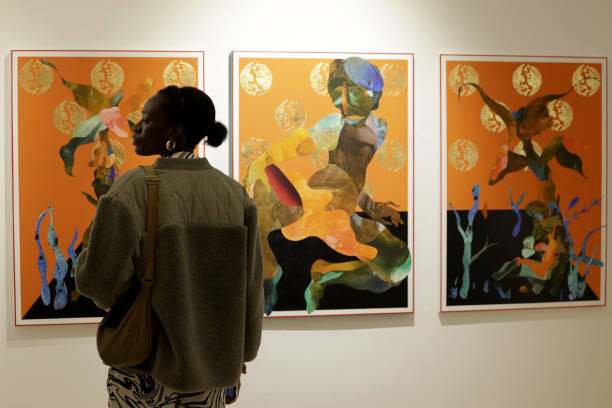
In the heart of Dakar, where the Atlantic wind kisses Africa’s western edge, a new cultural heartbeat is growing—Africa Basel. Much more than an art fair, it is a gathering of stories, a meeting of heritage and modernity, a conversation between Africa and the world on equal terms. Here, the continent’s ancient creativity finds a new stage, no longer hidden behind colonial filters or foreign interpretation. Africa Basel is not simply about showcasing art; it is about reclaiming a narrative. Through canvases that echo ancestral memories, sculptures that bridge the sacred and the everyday, and digital installations that project the African future, this platform insists that African art is not an exotic footnote—it is central to the global cultural journey. What makes Africa Basel compelling is not only the art on display, but also the statement it makes: Africa is no longer waiting for validation from Europe’s museums or America’s galleries. Africa is writing its own cultural treaties in its own voice.
A Marketplace Meets a Museum
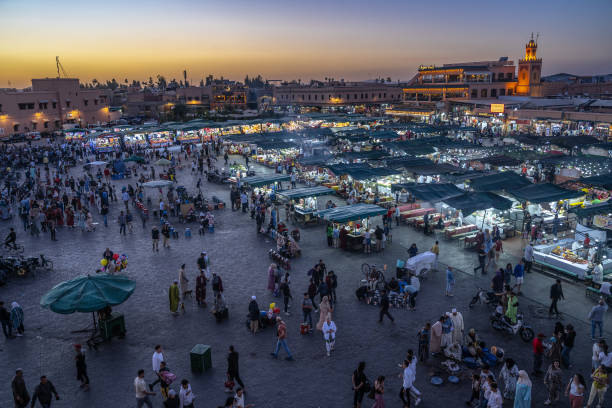
It is not every day that a city becomes the heartbeat of a continent’s artistic conversation. Yet, for a few days each year, Marrakech transforms into just that—a meeting ground where Africa’s creative pulse beats loud enough for the world to hear. Africa Basel, often described as the continent’s answer to the world’s most prestigious art fairs, is more than just an exhibition; it is a reclamation of voice, vision, and heritage.
The idea is simple on paper but profound in practice: gather artists, collectors, curators, and cultural enthusiasts from across Africa and beyond to witness, buy, and discuss art that springs from the continent’s soil. But Africa Basel is not merely about selling; it is about telling—telling the stories behind the strokes, the fabrics, the carvings, and the installations. Here, art is not detached from life; it is life itself, distilled into shapes and colours.
SOURCE: gettyimages

The Name That Travels
The name “Africa Basel” carries an echo from Switzerland’s famed Art Basel, yet its African counterpart resists being seen as a derivative. Rather than mimic, it mirrors—with a difference. While Art Basel in Europe has long been the playground of the elite and the commercially dominant, Africa Basel anchors itself in the realities of African cities, traditions, and social currents.
In Marrakech, the streets leading to the fair often buzz with contrasts: young digital artists displaying VR installations sit side by side with traditional weavers from Ethiopia; a South African sculptor discusses bronze casting with a Senegalese painter who works in sand. This mingling of disciplines is not an accident—it is the fair’s soul.
From Margin to Centre
For centuries, African art was displayed on foreign terms. Masks from the Congo, sculptures from Nigeria, textiles from Mali—they travelled abroad not as living culture, but as “ethnographic specimens” locked behind glass. The global art market fed on African creativity, yet rarely was Africa allowed to define the terms.
Africa Basel reverses that trend. The fair says, in quiet but unshakable certainty: We will curate ourselves. Artists set their prices. Curators from Lagos, Nairobi, and Accra write the exhibition notes. Discussions happen in English, French, Arabic, and indigenous languages—reflecting not the colonial convenience of a single tongue, but the multilingual truth of the continent.
A Space for Bold Conversations
To visit Africa Basel is to witness conversations that extend beyond the gallery walls. Talks and panels often explore questions as pressing as they are perennial: How do we protect African cultural heritage from theft? How can artists earn a living without compromising authenticity? How do we preserve indigenous techniques in a world racing toward digital dominance?
SOURCE: gettyimages

One year, a panel on “Art and Climate Change” drew as much attention as the paintings themselves. A Nigerian artist unveiled a series made entirely from recycled oil drums, commenting on environmental degradation in the Niger Delta. A Kenyan photographer presented haunting images of disappearing lakes in the Rift Valley. Here, art is not escapist; it is confrontational, a lens through which to view uncomfortable realities.

Beyond Borders
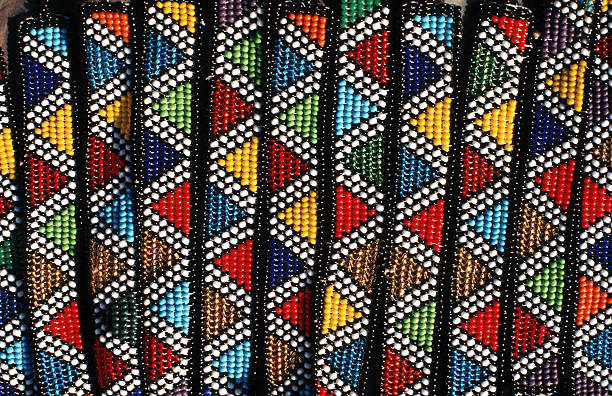
Although Marrakech plays host, Africa Basel belongs to no single country. Each edition becomes a melting pot of styles and stories: Egyptian surrealism meets Mozambican street murals; Zimbabwean stone sculptures stand alongside Moroccan calligraphy. This diversity is not incidental—it is deliberate. The organisers recognise that African creativity cannot be boxed into one aesthetic, one era, or one “brand.”
Indeed, for many foreign collectors, the fair is an awakening. It challenges the lazy narrative of a “single African art style” and forces them to confront the sheer scale of the continent’s creativity. For African attendees, it is an affirmation—a reminder that their traditions and innovations are not just relevant but indispensable to global art.
The Economics of Beauty
Art fairs are often dismissed as elite gatherings for the wealthy. But Africa Basel has begun to challenge that stereotype in subtle ways. Affordable pieces are displayed alongside high-end works, ensuring that art remains within reach for younger collectors and local enthusiasts. Pop-up workshops and live demonstrations invite the public to create as well as consume.
This accessibility is critical for nurturing Africa’s internal art market. Too often, African artists rely almost entirely on foreign buyers, leaving them vulnerable to the ebbs and flows of global taste. Africa Basel’s marketplace model encourages Africans to invest in African art—not merely as decoration but as cultural capital.
The Role of the City
Marrakech, with its mix of ancient medinas and modern galleries, provides the perfect backdrop. The city’s history as a meeting point for traders, poets, and craftsmen echoes in the fair’s ethos. The smell of spices, the sound of Gnawa music, the burst of colours in the souks—they all bleed into the atmosphere of the event.
Yet, the choice of Marrakech is not just aesthetic. Morocco has positioned itself as a cultural bridge between Africa, Europe, and the Arab world, making it a natural stage for a fair that wants to attract both African and global audiences.
Digital Meets Ancestral
A walk through Africa Basel reveals that African art is not stuck in a romantizised past. Alongside centuries-old weaving techniques, you might encounter AI-generated portraits inspired by African folklore, or immersive virtual reality tours of historical African cities. This blending of the ancient and the futuristic reflects the reality of Africa today—a place where mobile technology thrives alongside age-old oral traditions.
One standout example was a collaborative project between a Malian griot and a Johannesburg-based digital designer. Together, they created an interactive installation where visitors could listen to epic oral histories while viewing generative art visuals that responded to the rhythm of the storyteller’s voice. It was both an act of preservation and reinvention.
Why It Matters
Africa Basel is not merely a cultural event—it is a strategic intervention. In a world where narratives about Africa are often framed by crisis or charity, the fair offers another lens: one of agency, creativity, and abundance. It insists that African stories need not be told in foreign capitals to be legitimate.
For young African artists, it provides a stage they can step onto without apology. For collectors, it offers access to a market that is dynamic yet underrepresented. And for the wider public, it offers proof that art is not a luxury for the few but a language for the many.
Challenges Ahead
Of course, no fair is without its challenges. Logistics, funding, and the politics of representation remain constant hurdles. Some critics worry about the creeping influence of Western curatorial standards. Others question whether a fair that attracts global buyers can resist the market pressures that often dilute local authenticity.
Yet, these debates are themselves a sign of health. They show that Africa Basel is not operating in a cultural vacuum but engaging with the complexities of its context.
The Road Forward
As Africa Basel grows, its greatest task will be balance—balancing the demands of global recognition with the integrity of local voices, balancing the rush of digital innovation with the preservation of ancient techniques, and balancing commercial viability with cultural authenticity.
If it succeeds, it will not only reshape how African art is sold but also how it is valued—by the world and by Africans themselves.
Closing Reflections
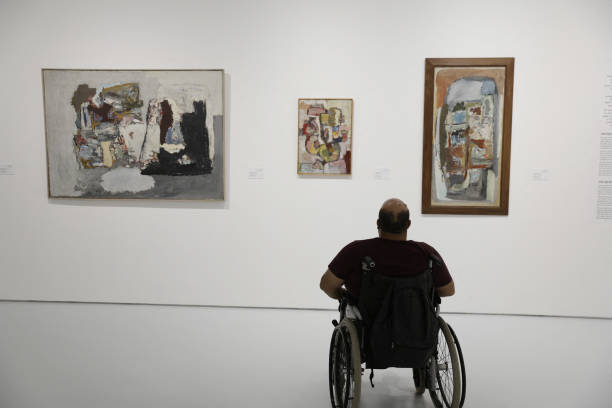
In the end, Africa Basel is a reminder that Africa’s art is not emerging; it has always been here, rich and unbroken, even when unacknowledged. What is emerging is the platform, the space where that art can breathe and speak for itself.