A Person Needs Help, Nigerians Bring Out Their Phones: When Did Emergencies Become Content?
Someone is fighting for their life, but the crowd is busy recording. Why do Nigerians pull out their phones during emergencies instead of helping? The disturbing truth behind Nigeria’s culture of filming people in crisis.
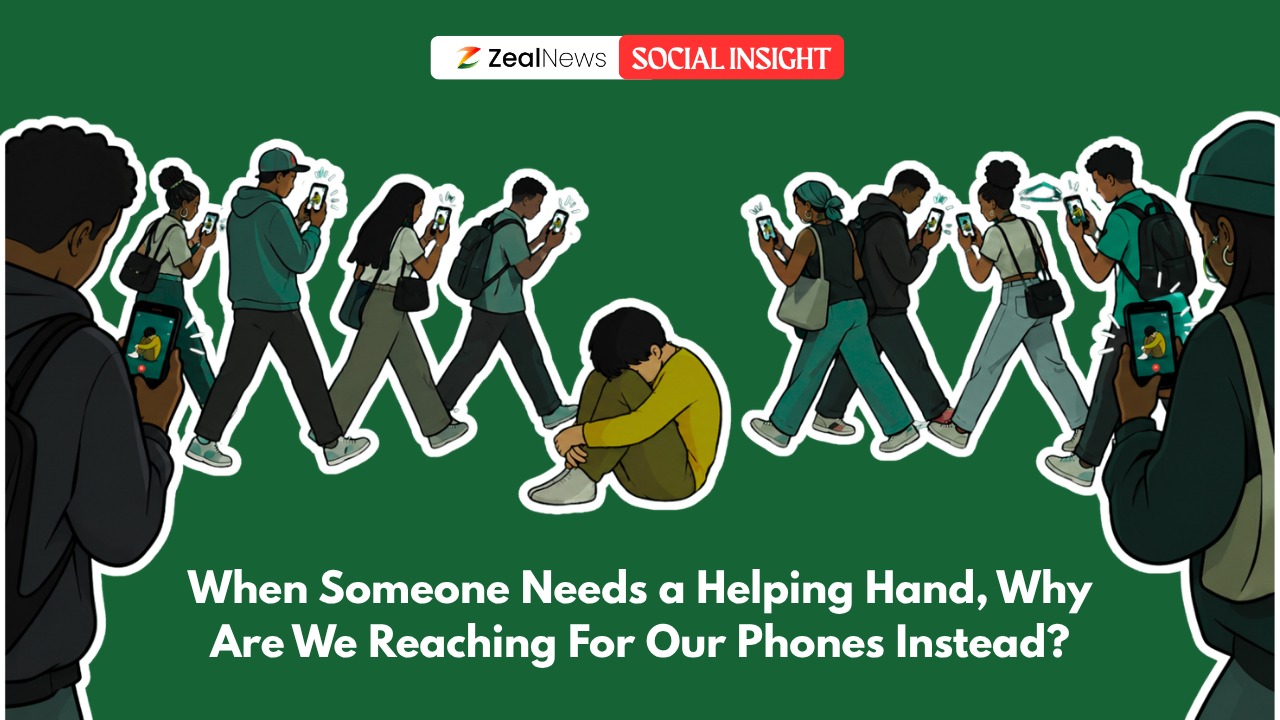
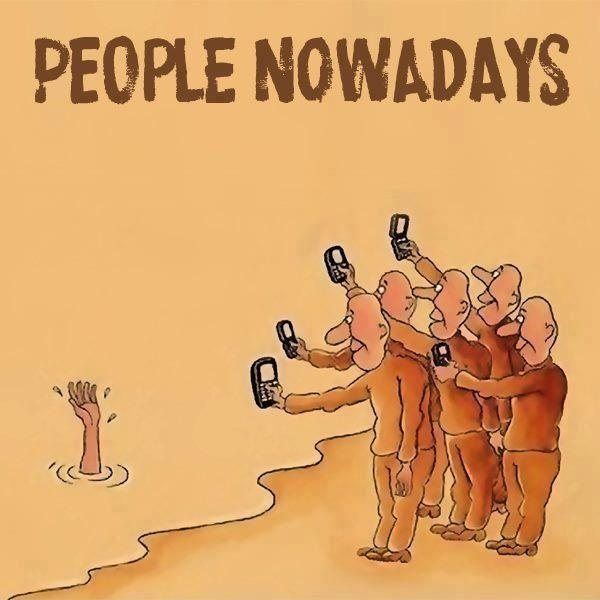
Someone is lying injured on a Lagos road. Traffic slows, people gather, and phones emerge from pockets. Instead of seeking assistance, several bystanders begin recording. Within minutes, footage could circulate across WhatsApp, Instagram, TikTok and X, attracting thousands of views before anyone establishes what happened.
The injured person becomes the centre of public attention, but is anybody helping?
This situation raises questions about how Nigerians respond to emergencies: Why do people sometimes prioritise documenting another person's distress over offering assistance? When did witnessing a crisis become an opportunity to create content?
Recording an incident is not inherently wrong. Footage can expose wrongdoing, preserve evidence and alert emergency responders. The problem arises when capturing the moment becomes more important than helping the person experiencing it.
Somewhere between recording an emergency and posting it online, the human being inside the footage risks becoming invisible.
Why Do Nigerians Reach for Their Phones During Emergencies?
In 2024, the African Journal of Social Issues published research examining how people in Lagos respond to emergencies in the age of mobile phones.
The study, titled The Dilemma of Being Ènìyàn (Human), Towards Emergency Victims in the Age of Cell Phones: A Study of Lagos, Nigeria, explored the tension between recording incidents and helping affected individuals.
During a focus group discussion involving seven participants, all reported having recorded emergencies without assisting the people involved. Some younger participants considered this behaviour normal, while older participants acknowledged its insensitivity but expressed concerns about intervening.
Although the small focus group cannot establish how widespread this behaviour is across Nigeria, its findings raise important questions about public responsibility.
One possible motivation is the desire to share an incident before everybody else.
Social media rewards visibility. An unusual occurrence can attract thousands of views, comments and reposts, giving the person who captured it attention they might not otherwise receive.
Consider how quickly videos of road accidents, public fights and distressed passengers spread online. Sometimes, footage circulates before reliable information becomes available. Captions may introduce allegations that the recording itself cannot establish.
For someone holding a phone, capturing an extraordinary moment can feel like an opportunity to participate in a developing story. However, the person whose distress supplies that content may need something entirely different.
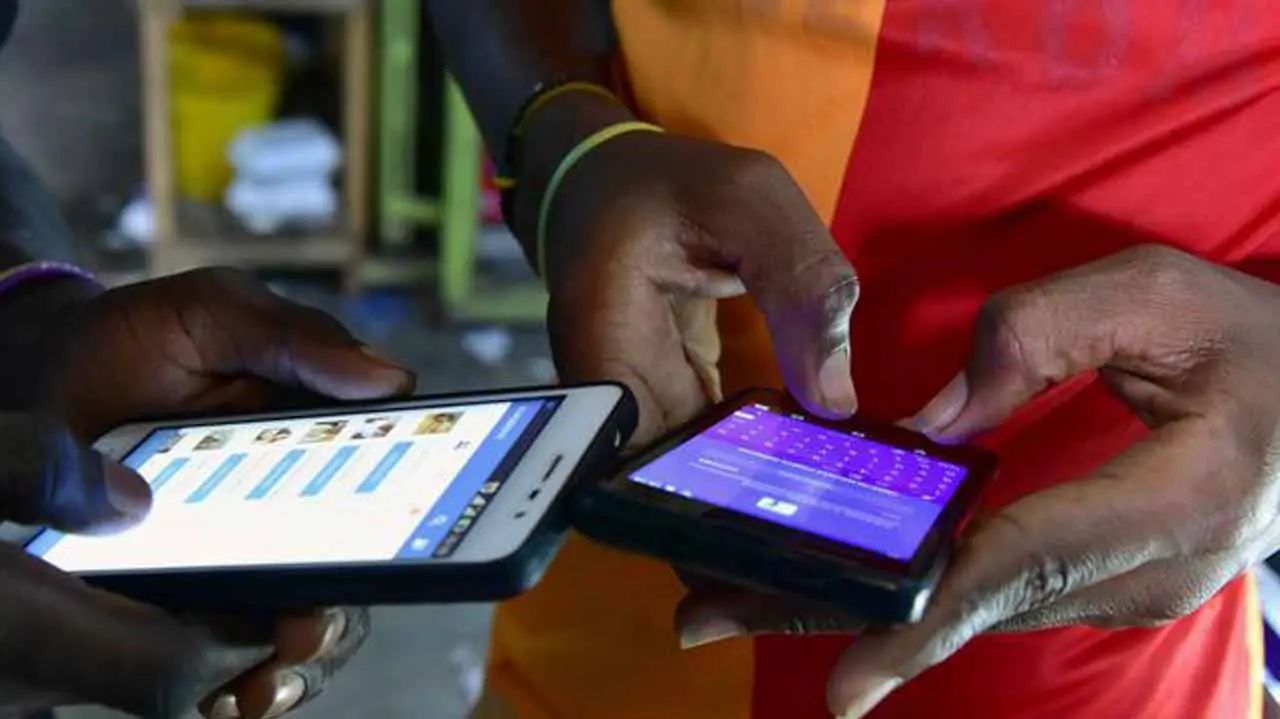
Image Credit: The GuardianThe pursuit of online attention becomes troubling when another person's vulnerability provides the entertainment.
Social Insight
Navigate the Rhythms of African Communities
Bold Conversations. Real Impact. True Narratives.
There is a distinction between documenting an emergency to communicate danger and filming someone for amusement. Footage sent to emergency responders might help them locate an incident. A recording of an assault could preserve evidence for an investigation.
Neither purpose requires turning an injured stranger into entertainment.
Are Fear and the Bystander Effect Preventing People From Helping?
Not everyone who hesitates during an emergency is indifferent to suffering. Some people are frightened, confused, or uncertain about what they can safely do.
An accident scene may involve moving vehicles, fire, or other hazards. A public fight could escalate if someone intervenes without understanding the circumstances. Someone without first aid training might worry about worsening an injured person's condition.
In Nigeria, concerns about police questioning, personal safety, and potential expenses associated with assisting an injured stranger can also influence decisions. The Lagos study documented participants' concerns about police involvement and possible retaliation.

These concerns deserve consideration. Encouraging people to rush towards danger without assessing the situation would be irresponsible.
However, being unable to intervene physically does not mean doing nothing is the only option. Someone who cannot safely approach an injured person may contact emergency services, alert trained responders, or direct others towards the scene.
Psychology offers another explanation for collective inaction: the bystander effect.This describes situations in which people may become less likely to intervene when other witnesses are present because responsibility feels shared.
Imagine standing among fifteen people watching an incident. Nobody appears particularly alarmed. Some are filming, others are discussing what happened, and everyone seems to be waiting.
When nobody takes responsibility, inaction can begin to look normal.
This concept does not explain every instance of emergency recording. Some witnesses gather evidence, while others genuinely believe they cannot help. Nevertheless, it offers one explanation for why crowds sometimes fail to respond promptly.
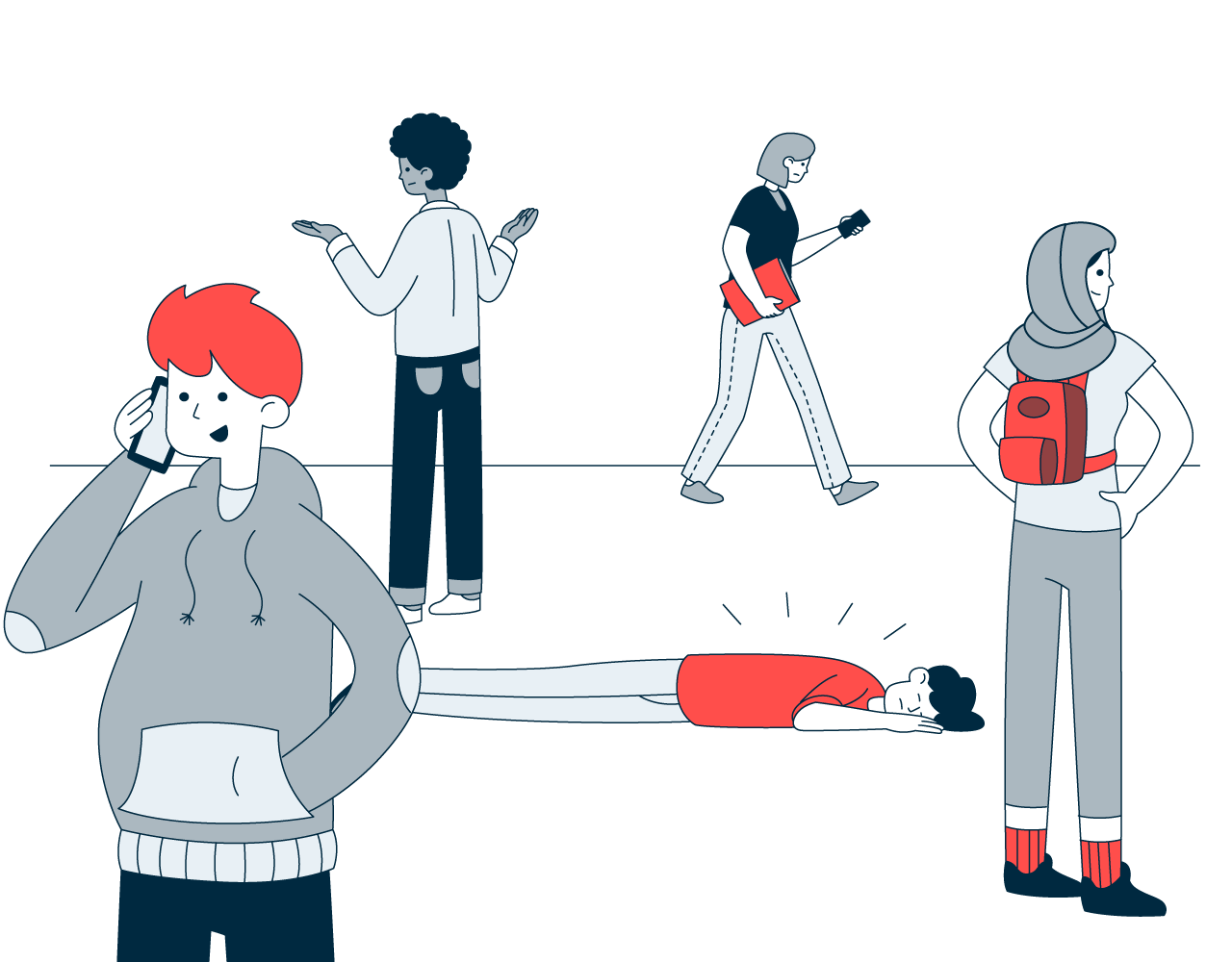
Image Credit: AviveEmotional distance may also influence decisions. People can feel a stronger obligation to assist relatives, friends or neighbours than strangers. When the person experiencing distress is unfamiliar, remaining detached may become easier.
Yet a stranger's lack of connection to us does not diminish their need for assistance.
Compassion should not depend on whether we recognise the person who needs help.
Helping also does not require dramatic intervention. Calling emergency services, warning others about immediate danger or providing accurate information to responders can make a difference without placing anyone unnecessarily at risk.
When Did Another Person's Crisis Become Social Media Content?
Social Insight
Navigate the Rhythms of African Communities
Bold Conversations. Real Impact. True Narratives.
Smartphones have transformed how emergencies are witnessed and discussed. Incidents once seen by a handful of people can now reach audiences across the world within minutes.
That visibility can serve the public interest. Videos can document misconduct, challenge false accounts, and draw attention to incidents that might otherwise go unnoticed.
However, the same technology exposes people during moments when they have little control over how others portray them.
An injured person may be unable to consent to being filmed. Someone experiencing a medical emergency might later discover that strangers have circulated their image, speculated about their condition, or mocked their predicament.
Families may encounter distressing footage before receiving reliable information about what happened.
The consequences can continue long after the incident. Videos can be copied, reposted and separated from their original context, making it difficult for those involved to regain control over a deeply personal experience.
This makes the decision to publish as important as the decision to record.
Before sharing emergency footage, people should consider whether identifying the individual is necessary, whether the video provides genuine public value, and whether publication could cause avoidable harm.
Media organisations and social media pages also have a responsibility. Publishing distressing footage without verifying details or protecting vulnerable people can encourage audiences to treat suffering as entertainment.
Public interest should determine whether emergency footage deserves publication, not the number of views it might attract.
Addressing this behaviour requires practical solutions, including first aid education, awareness of safe emergency responses and confidence in emergency services.
Communities must recognise that witnessing an emergency creates an opportunity to contribute, even when direct intervention is impossible.
Ultimately, a phone is a tool. Its presence during a crisis does not determine whether its owner responds with compassion.
So let’s show kindness first and make videos later.