Kloset Klub Secures Seed Funding, Drives Circular Fashion Revolution!
South African circular fashion platform Kloset Klub has secured seed funding from Thinkroom and Frank Smit to expand its resale and wardrobe-management business. The investment reflects confidence in Kloset Klub's growth and its position at the intersection of fashion, affordability, and sustainability, as resale fashion gains traction in South Africa. The company aims to scale its operations while addressing the complexities of the resale market.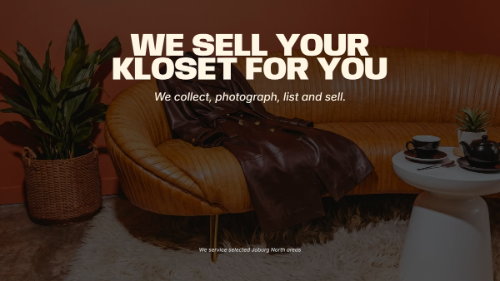
Kloset Klub, a South African circular fashion platform, has successfully secured seed funding to bolster its resale and wardrobe-management operations. The funding round saw participation from Thinkroom, an African entrepreneurship and innovation firm, and co-investor Frank Smit. While the specific amount raised remains undisclosed, this investment marks a significant step for the company's expansion plans.
Founded by Phumi Körber, Kloset Klub addresses the growing demand for sustainable fashion by enabling users to buy and sell pre-owned clothing. The platform operates through several channels, including curated resale, peer-to-peer shopping, and comprehensive managed closet services. This model offers a dual benefit: sellers can monetize clothes they no longer use, while buyers gain access to premium fashion items at more affordable prices.
Phumi Körber stated that the investment is a testament to the company's progress and will be instrumental in supporting its next phase of growth. Catherine Young, founder of Thinkroom, expressed confidence in Kloset Klub, highlighting Körber's resilience in navigating challenges and executing strategic pivots during the company's development.
The funding arrives at a time when the resale fashion market in South Africa is experiencing substantial growth. This surge is driven by several factors, including increasing cost pressures on consumers, a heightened interest in sustainable consumption practices, and a rising demand for accessible premium clothing options. Kloset Klub is strategically positioned at the convergence of these trends: fashion, affordability, and the broader movement towards circular commerce.
Key takeaways from this development underscore how circular fashion is evolving into a viable business opportunity within African consumer markets. Escalating living costs compel more consumers to seek quality clothing at lower prices, while a growing number of sellers are looking to convert unused wardrobe items into cash. Resale platforms like Kloset Klub effectively cater to both segments by fostering trust, offering curated selections, and streamlining transaction processes. This model also aligns with a wider societal shift away from linear, 'buy-use-discard' consumption patterns.
Beyond sustainability, the South African market presents opportunities for affordability and enhanced access to premium fashion. However, scaling resale platforms presents inherent challenges, demanding robust strategies for supply acquisition, stringent quality control, efficient logistics, building buyer trust, disciplined pricing, and cultivating a strong brand identity. Kloset Klub's innovative managed closet services offer a partial solution to these hurdles, simplifying the resale process for sellers who prefer not to manage listings and customer interactions directly. The platform's immediate challenge will be to effectively scale both supply and demand while meticulously maintaining the quality of its curation. Successful navigation of these challenges could position Kloset Klub as a leading force in South Africa's circular fashion landscape.